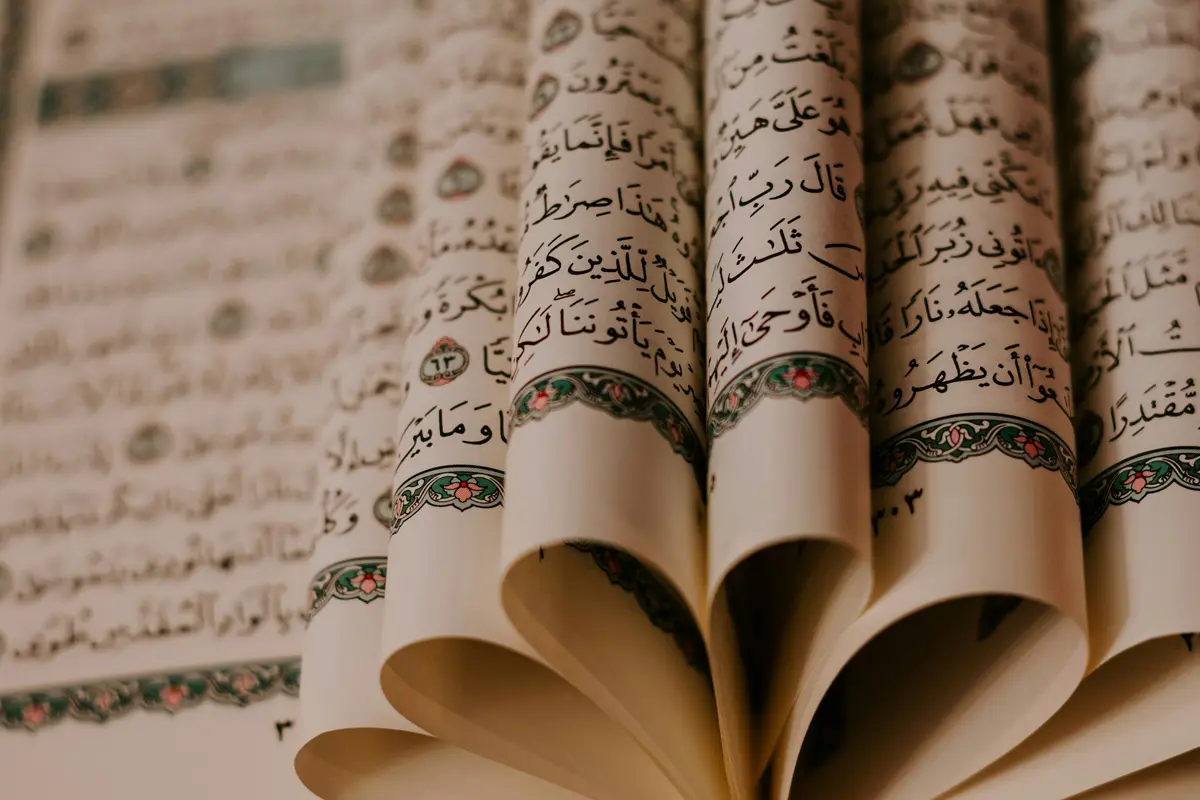
Photo by Ashkan Forouzani on Unsplash
Learning basic Arabic words is the fastest way to start understanding and speaking the language.
Arabic is spoken by more than 400 million people worldwide, and even a small vocabulary can help you communicate in everyday situations.
Many language teachers recommend starting with high-frequency words and practical phrases, rather than focusing on grammar too early. This approach helps learners build confidence and begin real conversations faster.
In this guide, you will learn essential Arabic words for beginners, including greetings, numbers, verbs, and simple questions.
🌍 Before You Start: Which Arabic Should You Learn?
Arabic has different forms, and this can confuse beginners.
The most common starting point is:
- Modern Standard Arabic (MSA) — used in books, news, and formal communication
- Spoken dialects (Egyptian, Levantine, Gulf) — used in daily conversation
Most teachers recommend starting with MSA, because it provides a strong foundation and is widely understood.
🗣️ 1. Greetings and Polite Phrases
These are the most important words for everyday interaction.
| English | Arabic | Pronunciation |
|---|---|---|
| Hello | مرحباً | marḥaban |
| Peace be upon you | السلام عليكم | as-salāmu ʿalaykum |
| Response | وعليكم السلام | wa ʿalaykumu as-salām |
| Good morning | صباح الخير | ṣabāḥ al-khayr |
| Good evening | مساء الخير | masāʾ al-khayr |
| Goodbye | مع السلامة | maʿa as-salāmah |
| Thank you | شكراً | shukran |
| You’re welcome | عفواً | ʿafwan |
| Please | من فضلك | min faḍlik |
| Yes | نعم | naʿam |
| No | لا | lā |
💡 Tip:
“السلام عليكم” is widely used and culturally important. It is both a greeting and a sign of respect.
👨👩👧👦 2. Essential People Words
Learning people-related words helps you describe relationships and build conversations.
| English | Arabic | Pronunciation |
|---|---|---|
| Father | أب | ab |
| Mother | أم | umm |
| Brother | أخ | akh |
| Sister | أخت | ukht |
| Friend | صديق | ṣadīq |
| Teacher | معلم | muʿallim |
| Student | طالب | ṭālib |
| Man | رجل | rajul |
| Woman | امرأة | imraʾah |
📍 3. Useful Everyday Nouns
These words appear often in daily life.
| English | Arabic | Pronunciation |
|---|---|---|
| House | بيت | bayt |
| School | مدرسة | madrasa |
| Market | سوق | sūq |
| Book | كتاب | kitāb |
| Pen | قلم | qalam |
| Car | سيارة | sayyārah |
| Door | باب | bāb |
| Window | نافذة | nāfidha |
| Phone | هاتف | hātif |
💡 Tip:
Many Arabic words come from three-letter roots, which helps you recognize patterns over time.
🔢 4. Arabic Numbers 1–10
Numbers are essential for shopping, travel, and time.
| Number | Arabic | Pronunciation |
|---|---|---|
| 1 | واحد | wāḥid |
| 2 | اثنان | ithnān |
| 3 | ثلاثة | thalātha |
| 4 | أربعة | arbaʿa |
| 5 | خمسة | khamsa |
| 6 | ستة | sitta |
| 7 | سبعة | sabʿa |
| 8 | ثمانية | thamāniya |
| 9 | تسعة | tisʿa |
| 10 | عشرة | ʿashara |
🧠 5. Easy Arabic Verbs for Beginners
Verbs help you build sentences quickly.
| English | Arabic | Pronunciation |
|---|---|---|
| To go | ذهب | dhahaba |
| To eat | أكل | akala |
| To drink | شرب | shariba |
| To write | كتب | kataba |
| To read | قرأ | qaraʾa |
| To see | رأى | raʾā |
| To want | أراد | arāda |
| To speak | تكلم | takallama |
| To sleep | نام | nāma |
💡 Tip:
Learning verbs in context (short sentences) is more effective than memorizing them alone.
💬 6. Simple Questions and Responses
These phrases allow you to start conversations.
| English | Arabic | Pronunciation |
|---|---|---|
| How are you? (m) | كيف حالك؟ | kayfa ḥāluka? |
| How are you? (f) | كيف حالكِ؟ | kayfa ḥāluki? |
| I’m fine | أنا بخير | anā bikhayr |
| What’s your name? | ما اسمك؟ | mā ismuka? |
| My name is… | اسمي… | ismī… |
| Where are you from? | من أين أنت؟ | min ayna anta? |
| I’m from… | أنا من… | anā min… |
🧩 Practice: Match the Words
Match each word with its meaning:
Words:
كتاب، مدرسة، باب، صديق، نعم، لا، شكراً، أنا، مع السلامة، رجل
Answers:
Book, School, Door, Friend, Yes, No, Thank you, I, Goodbye, Man
🎯 How to Remember Arabic Words Faster
Many experienced teachers recommend combining visual memory, repetition, and real usage.
Effective strategies:
- Use flashcards (with Arabic + pronunciation)
- Label objects around your home
- Speak words aloud daily
- Build short sentences instead of memorizing lists
Listening to native pronunciation is also important. Using our Aracbic character interactive Tool to practice for basic Arabic sounds, allowing you to hear, repeat, and get comfortable with pronunciation in a more natural way.
❓ FAQs About Basic Arabic Words
How many words do I need to start speaking?
You can begin with 100–200 essential words. Even a small vocabulary allows simple conversations.
Is Arabic difficult to learn?
Arabic has a different writing system and sounds, but starting with basic words makes the process much easier.
What is the best way to learn pronunciation?
Listening and repeating is key. Try to mimic native speakers and practice regularly.
🌟 Final Thoughts
Learning basic Arabic words is the first step toward real communication.
Instead of trying to learn everything at once, focus on:
- common words
- useful phrases
- daily practice
With consistent effort, these simple words will grow into real conversations.
Start small, stay consistent, and build your confidence step by step.