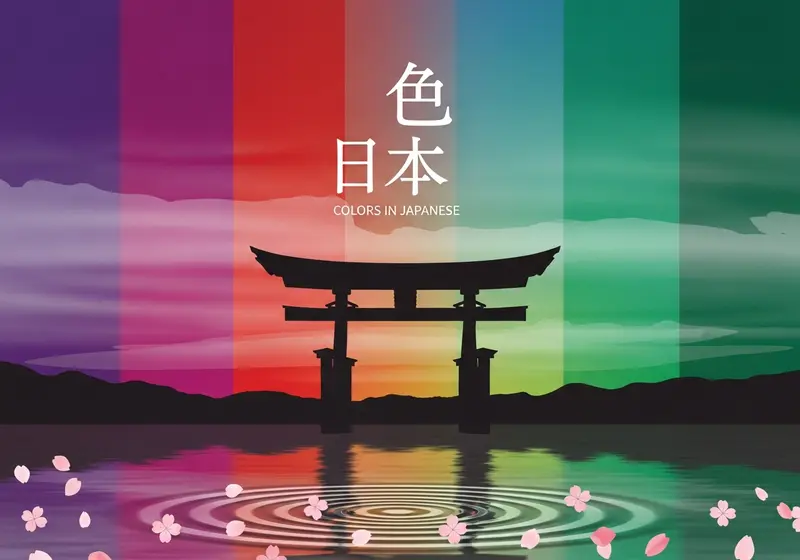
If you are learning colors in Japanese, this is one of the easiest and most useful vocabulary topics to start with.
You need color words for clothing, food, objects, traffic lights, anime descriptions, shopping, and everyday conversation. The good news is that many Japanese color words are easy to learn once you know the basic pattern.
In this guide, you will learn the most common colors in Japanese, how to pronounce them, how to use them in sentences, and which mistakes beginners often make.
If you are still building your foundation, this post also works well with our guides to Japanese basic phrases, how to tell time in Japanese, and the best way to learn Japanese.
The most common colors in Japanese
Here are the main color words beginners should learn first:
- 赤 (あか) = red
- 青 (あお) = blue
- 黄色 (きいろ) = yellow
- 緑 (みどり) = green
- 白 (しろ) = white
- 黒 (くろ) = black
- 茶色 (ちゃいろ) = brown
- 紫 (むらさき) = purple
- ピンク = pink
- オレンジ = orange
- 灰色 (はいいろ) = gray
If you only memorize a few at first, start with: 赤, 青, 白, 黒, 黄色, 緑.
These appear often in everyday Japanese.
Colors in Japanese kanji and kana
Some color words are written with kanji, while others are often written in katakana.
Examples:
- 赤 (あか) = red
- 青 (あお) = blue
- 白 (しろ) = white
- 黒 (くろ) = black
- 黄色 (きいろ) = yellow
- 茶色 (ちゃいろ) = brown
- ピンク = pink
- オレンジ = orange
This means Japanese color vocabulary is a mix of:
- traditional native words
- compound words
- loanwords
That is normal. Do not worry if some look more “Japanese” than others.
The basic pattern: color noun vs color adjective
This is one of the most important beginner points.
Some colors can work more directly like adjectives, while others often act more like nouns followed by の.
For example:
- 赤い花 = a red flower
- 青い空 = a blue sky
- 白い猫 = a white cat
- 黒い車 = a black car
But many other color words are often used like this:
- ピンクのシャツ = a pink shirt
- オレンジのバッグ = an orange bag
- 紫のドレス = a purple dress
- 茶色の靴 = brown shoes
A simple beginner rule is:
- old core colors like 赤, 青, 白, 黒 often become -い adjectives
- many other colors are used with の
Colors that often become -い adjectives
These are especially common:
- 赤い (あかい) = red
- 青い (あおい) = blue
- 白い (しろい) = white
- 黒い (くろい) = black
Examples:
- 赤いりんご = a red apple
- 青い海 = a blue sea
- 白い紙 = white paper
- 黒い犬 = a black dog
These are worth learning early because they appear often in beginner Japanese.
Colors often used with の
Many other colors are usually used with の before a noun.
Examples:
- 黄色の花 = a yellow flower
- 緑の木 = a green tree
- 茶色のかばん = a brown bag
- ピンクのスカート = a pink skirt
- オレンジの自転車 = an orange bicycle
- 灰色の雲 = gray clouds
This pattern is easy to use and very common.
A useful note about 青 and 緑
This is one of the most interesting parts of colors in Japanese.
In modern Japanese:
- 青 (あお) usually means blue
- 緑 (みどり) means green
But in some everyday expressions, Japanese still uses 青 where English speakers may expect green.
A famous example is the traffic light. People often say:
- 青信号 (あおしんごう)
even though the traffic light looks green.
This is normal in Japanese and surprises many beginners.
Common Japanese color words with examples
Here is a fuller beginner list:
Red
- 赤 (あか) = red
- 赤い (あかい) = red
Example:
- 赤い車です。
It is a red car.
Blue
- 青 (あお) = blue
- 青い (あおい) = blue
Example:
- 空が青いです。
The sky is blue.
Yellow
- 黄色 (きいろ) = yellow
- 黄色の花 = yellow flower
Example:
- 黄色の花が好きです。
I like yellow flowers.
Green
- 緑 (みどり) = green
- 緑の葉 = green leaf
Example:
- 緑の葉がきれいです。
The green leaves are beautiful.
White
- 白 (しろ) = white
- 白い (しろい) = white
Example:
- 白いねこがいます。
There is a white cat.
Black
- 黒 (くろ) = black
- 黒い (くろい) = black
Example:
- 黒いくつを買いました。
I bought black shoes.
Brown
- 茶色 (ちゃいろ) = brown
Example:
- 茶色のかばんです。
It is a brown bag.
Purple
- 紫 (むらさき) = purple
Example:
- 紫のシャツを着ています。
I am wearing a purple shirt.
Pink
- ピンク = pink
Example:
- ピンクのドレスです。
It is a pink dress.
Orange
- オレンジ = orange
Example:
- オレンジのぼうしがかわいいです。
The orange hat is cute.
Gray
- 灰色 (はいいろ) = gray
Example:
- 灰色の空です。
It is a gray sky.
How to ask about colors in Japanese
A simple question pattern is:
何色ですか。
なにいろですか。
“What color is it?”
Examples:
-
それは何色ですか。
What color is that? -
このシャツは何色ですか。
What color is this shirt?
A natural answer could be:
- 赤です。 = It is red.
- 青です。 = It is blue.
- ピンクです。 = It is pink.
This is one of the easiest question patterns to practice with objects around you.
Useful color phrases in daily life
Here are some natural beginner-friendly phrases:
- 赤いりんご = red apple
- 青い空 = blue sky
- 白いシャツ = white shirt
- 黒いくつ = black shoes
- 緑の木 = green tree
- 黄色のバッグ = yellow bag
- ピンクの花 = pink flower
Try saying these out loud. Color vocabulary becomes much easier when you connect it to real objects.
Common mistakes learners make
1. Using の with every color
Some beginners say:
- 赤の花
- 青の空
These are understandable, but 赤い花 and 青い空 sound more natural.
Remember:
- 赤い, 青い, 白い, 黒い are especially common.
2. Treating 青 only as blue in every situation
In most cases, 青 means blue.
But Japanese sometimes uses 青 in expressions where English speakers expect green, especially with traffic lights.
3. Forgetting that some colors are loanwords
Words like ピンク and オレンジ do not follow the same pattern as 赤い or 白い.
You will usually use them like:
- ピンクのドレス
- オレンジのかばん
4. Memorizing colors without nouns
If you only memorize color lists, the words are harder to use.
It is better to learn:
- 赤いりんご
- 白いねこ
- 黒いくつ
- ピンクのシャツ
That way, the vocabulary becomes easier to remember and easier to use.
A simple way to study colors in Japanese
A good order is:
First, learn the six most common colors:
- 赤
- 青
- 黄色
- 緑
- 白
- 黒
Then learn the important adjective forms:
- 赤い
- 青い
- 白い
- 黒い
Then add the common の pattern:
- ピンクの
- オレンジの
- 茶色の
- 紫の
After that, practice with real objects in your room.
For example:
- これは黒いです。
- 白いドアです。
- 青い本があります。
This makes the words more useful than just memorizing them from a chart.
Quick practice
Try reading these aloud:
- 赤い花
- 青い海
- 白い犬
- 黒い車
- ピンクのシャツ
- 茶色のかばん
Then try saying these in Japanese:
- red apple
- blue sky
- white cat
- black shoes
- green tree
- yellow flower
Possible answers:
- 赤いりんご
- 青い空
- 白いねこ
- 黒いくつ
- 緑の木
- 黄色の花
Quick recap
Here is the short version:
- 赤 = red
- 青 = blue
- 黄色 = yellow
- 緑 = green
- 白 = white
- 黒 = black
- 何色ですか = What color is it?
If you remember only one thing from this post, remember this:
Some Japanese colors behave like -い adjectives, while many others are used with の.
Final thoughts
Learning colors in Japanese is one of the easiest ways to make your vocabulary more practical.
You can use color words right away with clothes, food, animals, objects, and everyday questions. Start with the common colors, learn the basic adjective patterns, and then practice with real things around you.
That is the fastest way to make Japanese color vocabulary feel natural instead of abstract.