If you’re searching for alternatives to Duolingo for Spanish in 2026, you’re probably not giving up on learning Spanish—you’re looking for something that fits you better. Many learners reach a point where tap-based drills don’t improve speaking, sentence structure, or real comprehension anymore. Maybe the grammar still feels unclear, pronunciation lacks feedback, or the lessons feel repetitive instead of practical. This guide compares modern language learning apps and methods by real learning goals, so you can choose a tool that actually helps you learn a language and use Spanish with confidence.
TL;DR
- The best alternatives to Duolingo for Spanish depend on your main goal: speaking, grammar clarity, listening, or vocabulary retention.
- Many modern language learning apps specialize in different skills—course-based apps like Babbel or Busuu focus on structure and sentence accuracy, while audio-first tools like Pimsleur improve pronunciation and speaking habits.
- If long-term memory is your bottleneck, spaced-repetition systems such as Anki outperform casual review for vocabulary retention.
- Many learners progress fastest by pairing a light habit-builder with a more complete learning system—for example, using Duolingo as a short warm-up while relying on Avatalks, which combines structured lessons (vocabulary, grammar, listening, and reading) with optional AI-driven conversation practice to develop real Spanish skills beyond recognition.
Alternatives to Duolingo for Spanish (ranked by use case)
Below are alternatives to Duolingo for Spanishin 2026, ranked by how learners actually use them—from structured foundations to speaking, vocabulary, and listening-focused approaches.
1) Avatalks
(best for comprehensive foundations + relaxed speaking practice)
What it’s good for: learners who want to build a solid Spanish foundation over time while keeping learning relaxed, enjoyable, and sustainable.
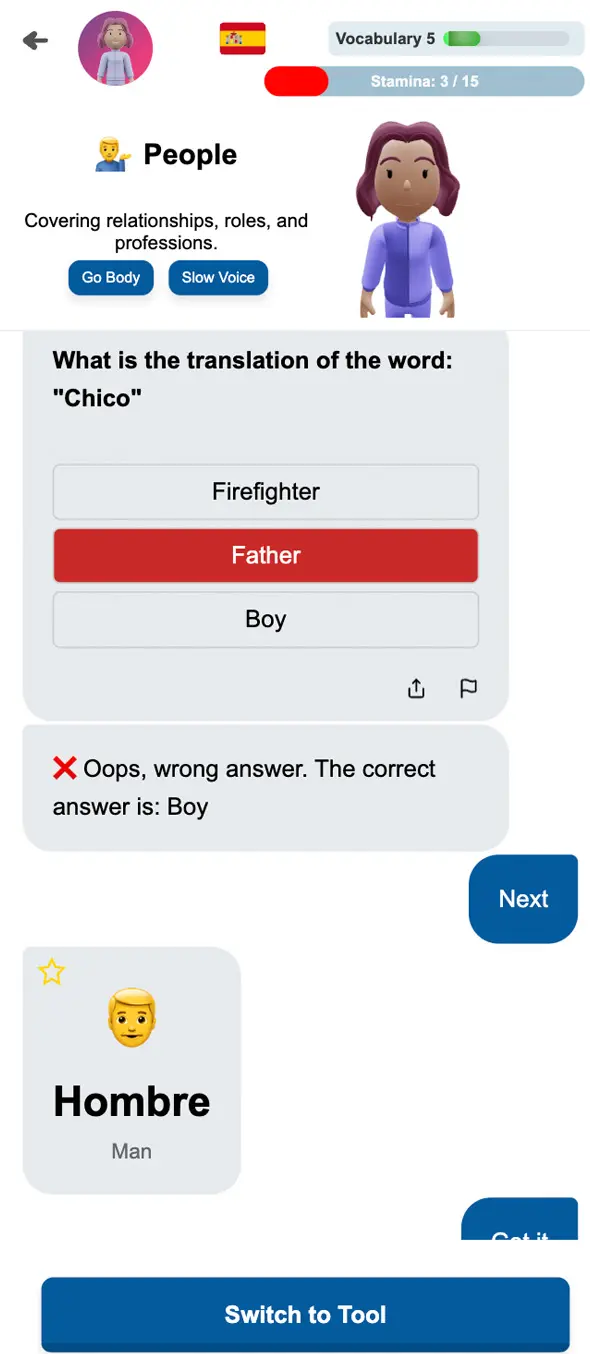
Avatalks is designed around long-term language foundation accumulation, combining structured Learn Sections—vocabulary, grammar, listening, and reading—with optional AI-powered chat through well-simulated 3D puppet teachers and conversation partners. This allows learners to progress steadily without the pressure of speed-based drills or streak mechanics.
Because Avatalks emphasizes sentence-building and guided output, learners spend more time practicing sentence structure and recall rather than guessing from multiple-choice prompts. Optional AI chat features simulate real conversation and can incorporate speech recognition, helping learners notice pronunciation issues and respond more naturally than with static drills or simple translation tools.
Instead of relying mainly on recognition-based tapping, Avatalks emphasizes clear input, guided recall, and gradual output. The 3D characters behave like calm tutors and speaking partners, making practice feel interactive and less repetitive, which helps learners stay consistent over time.
Key features:
- Strong emphasis on comprehensive language foundation building
- Balanced skill coverage across vocabulary, grammar, listening, reading, and speaking
- Structured Learn Sections with clear, progressive learning paths
- AI-driven 3D puppet teachers that guide practice in a calm, tutor-like way
- Optional Chat Sections for sentence-building and speaking practice
- Focus on recall, understanding, and gradual output rather than guessing
- Learning flow designed to feel relaxed, enjoyable, and sustainable over time
2) Babbel
(best for clear explanations + practical dialogues)
What it’s good for: learners who want structured lessons with clear grammar explanations and useful everyday phrases.
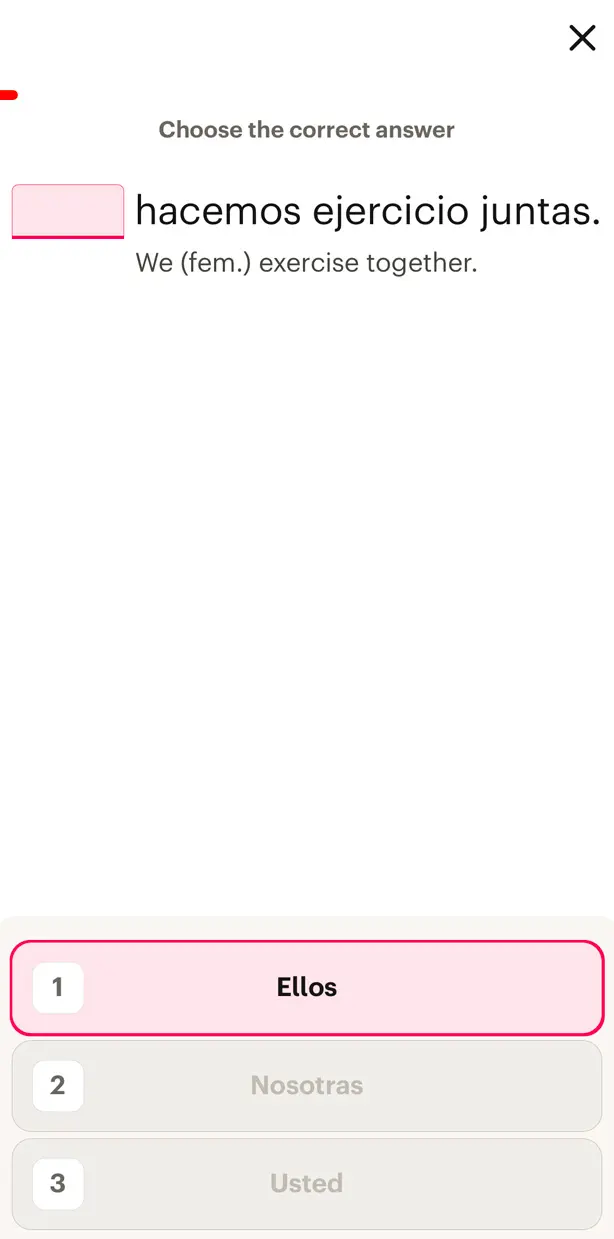
Babbel follows a more traditional course-style approach, explaining rules before practice. Lessons are short and practical, which appeals to learners who prefer understanding why something works before using it.
Key features:
- Clear grammar explanations
- Dialogue-based lessons
- Practical vocabulary for real situations
- Strong focus on sentence accuracy
3) Busuu
(best for level-based progression)
What it’s good for: learners who want a visible sense of progress and structured levels.
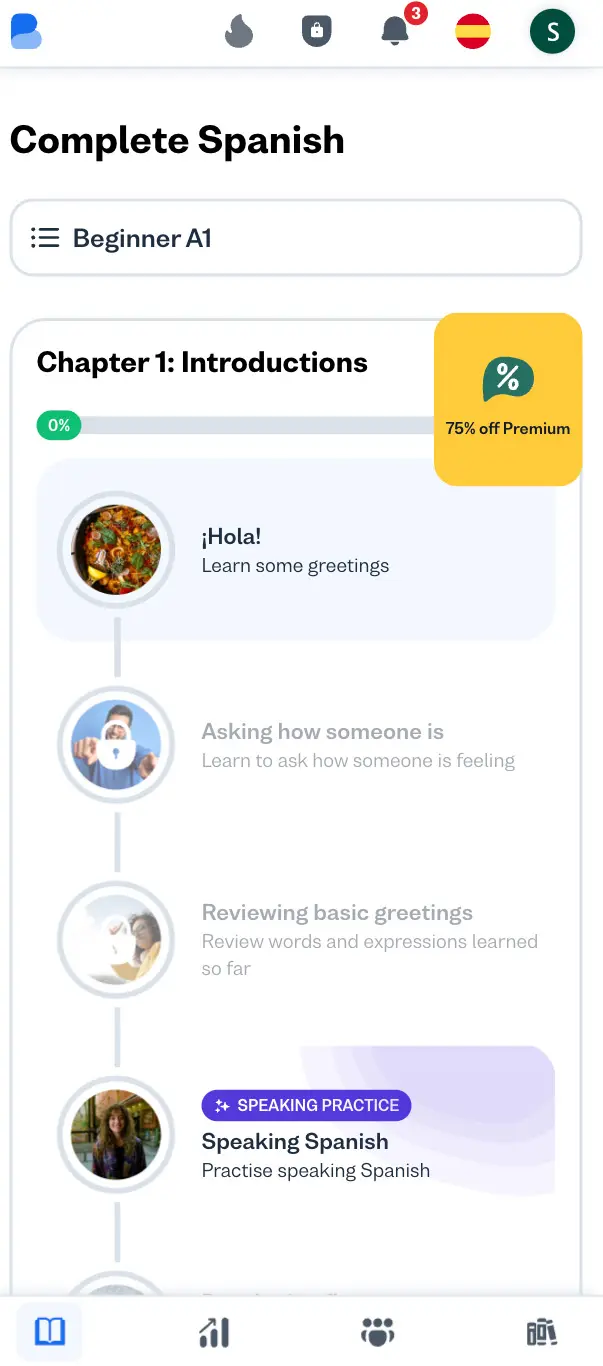
Busuu organizes content around CEFR-style levels, which helps learners understand where they are and what comes next, instead of relying on streaks or XP alone.
Key features:
- Level-based learning paths
- Grammar explanations with practice
- Community feedback on exercises
- CEFR-aligned progression
4) Pimsleur
(best for speaking and pronunciation habits)
What it’s good for: learners who want to develop automatic speaking responses and pronunciation confidence.
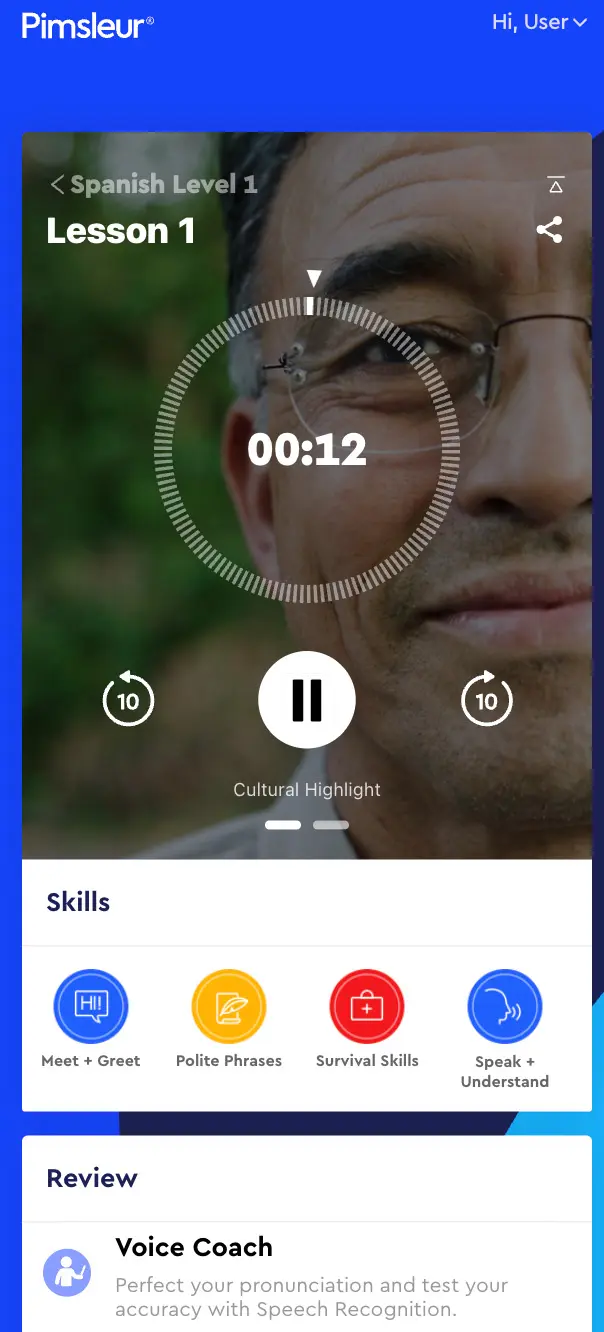
Pimsleur is audio-first and built around Graduated Interval Recall, focusing heavily on listening, repetition, and speaking aloud rather than reading or writing.
Key features:
- Strong pronunciation training
- Audio-based lessons
- Habit-forming repetition system
- Minimal visual or grammar-heavy content
5) Anki
(best for long-term vocabulary retention)
What it’s good for: learners who want durable vocabulary and phrase retention through spaced repetition.
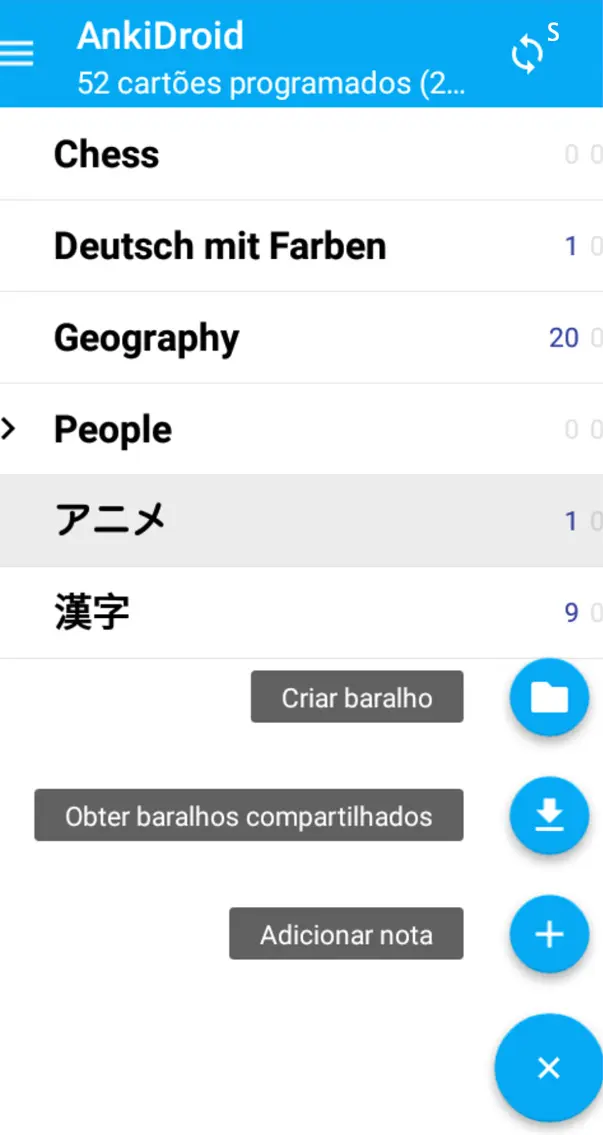
Anki is not a course but a powerful review system. Its effectiveness depends heavily on how learners create and maintain their cards.
Key features:
- Spaced repetition scheduling
- Fully customizable decks
- Excellent long-term retention
- Works best with example sentences
6) Clozemaster
(best for sentence-level exposure)
What it’s good for: learners who want to absorb Spanish through sentence patterns rather than isolated words.
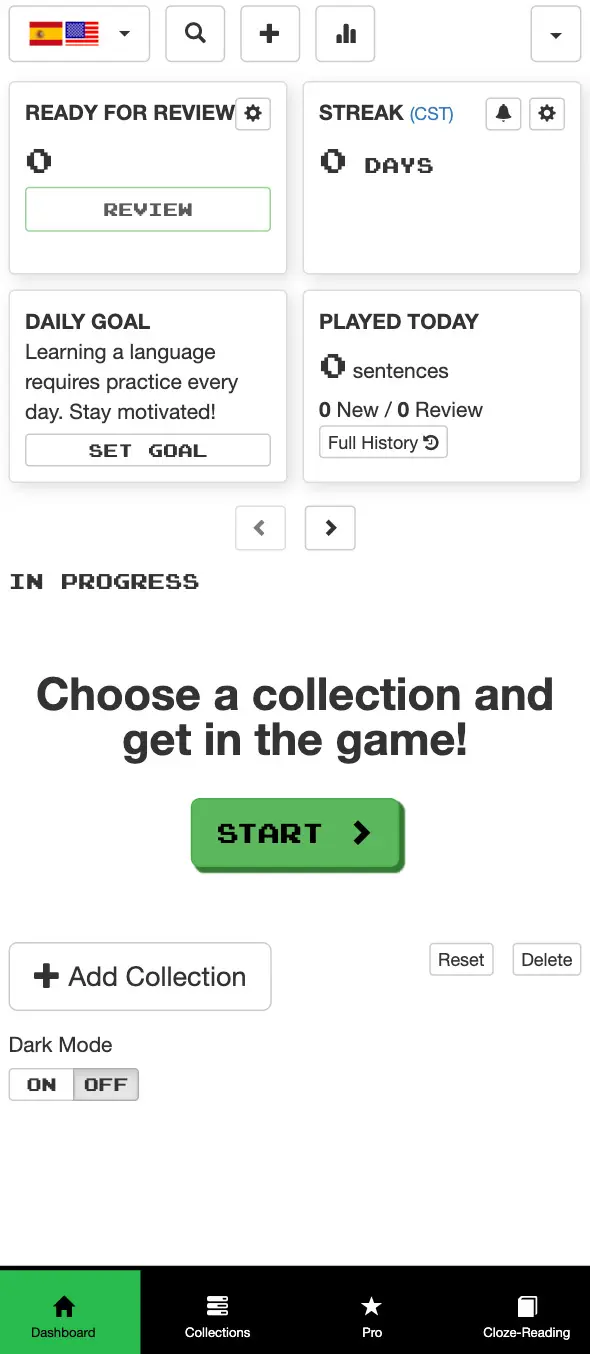
Clozemaster uses fill-in-the-blank sentences, exposing learners to frequent real-world structures at scale.
Key features:
- Sentence-based learning
- Large corpus of real examples
- Vocabulary learned in context
- Gamified but more advanced than Duolingo
7) Language Transfer
(best free, concept-driven learning)
What it’s good for: learners who want to understand Spanish logic and structure with minimal distractions.
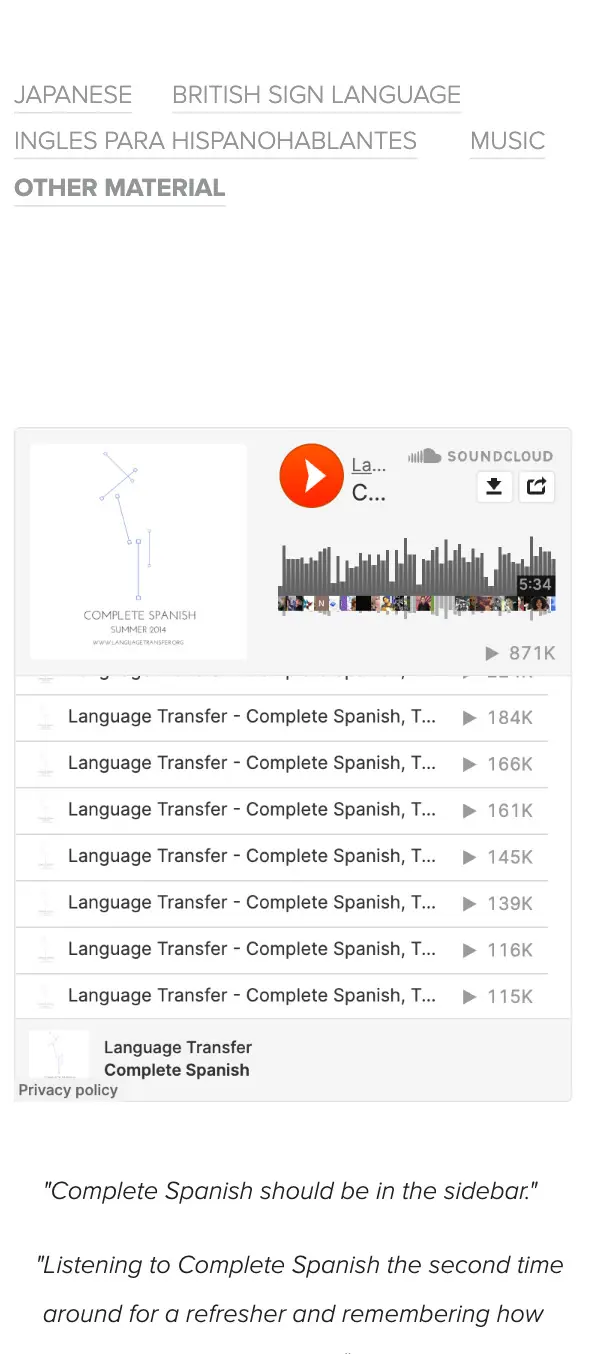
Language Transfer is audio-only and focuses on pattern recognition, helping learners think in Spanish rather than memorize forms.
Key features:
- Completely free
- Concept-based explanations
- Audio-only format
- Strong focus on structure and reasoning
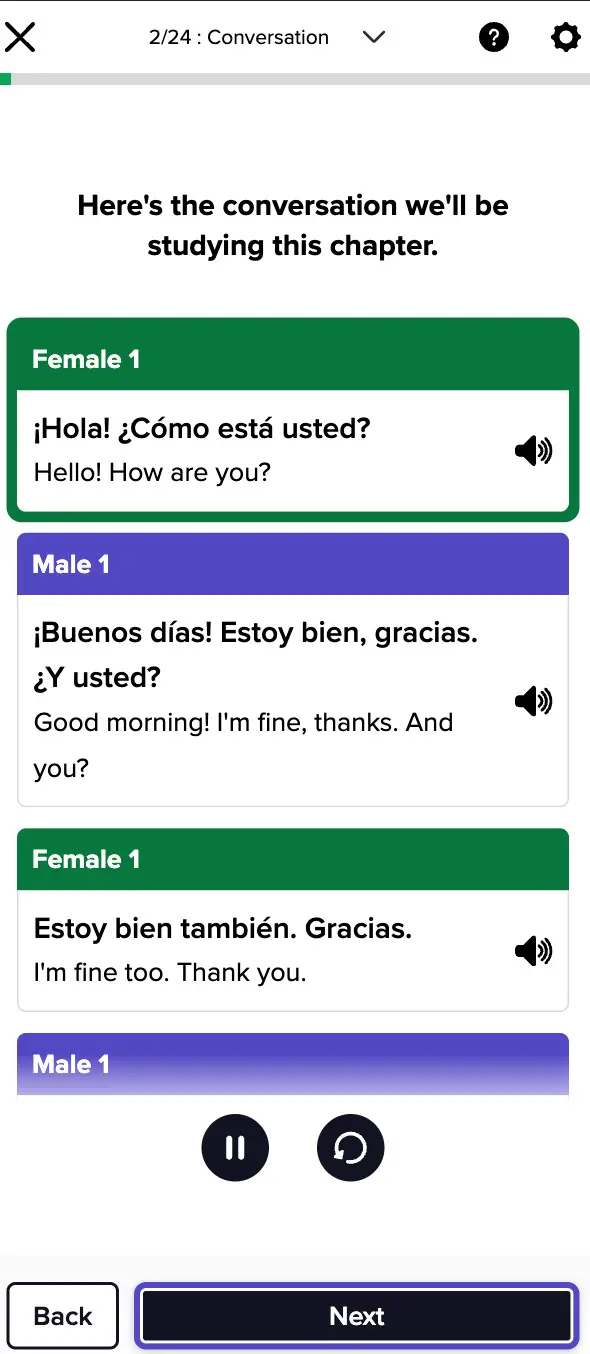
8) Mango Languages
(best for steady, conversational pacing)
What it’s good for: learners who prefer calm, conversation-style lessons with predictable pacing.
Mango is often available free through libraries and emphasizes practical communication rather than gamification.
Key features:
- Conversation-focused lessons
- Cultural notes built into content
- Clear pronunciation guidance
- Low-pressure learning flow
9) Rocket Spanish
(best for audio + grammar balance)
What it’s good for: learners who want a mix of grammar explanation, audio practice, and speaking drills.
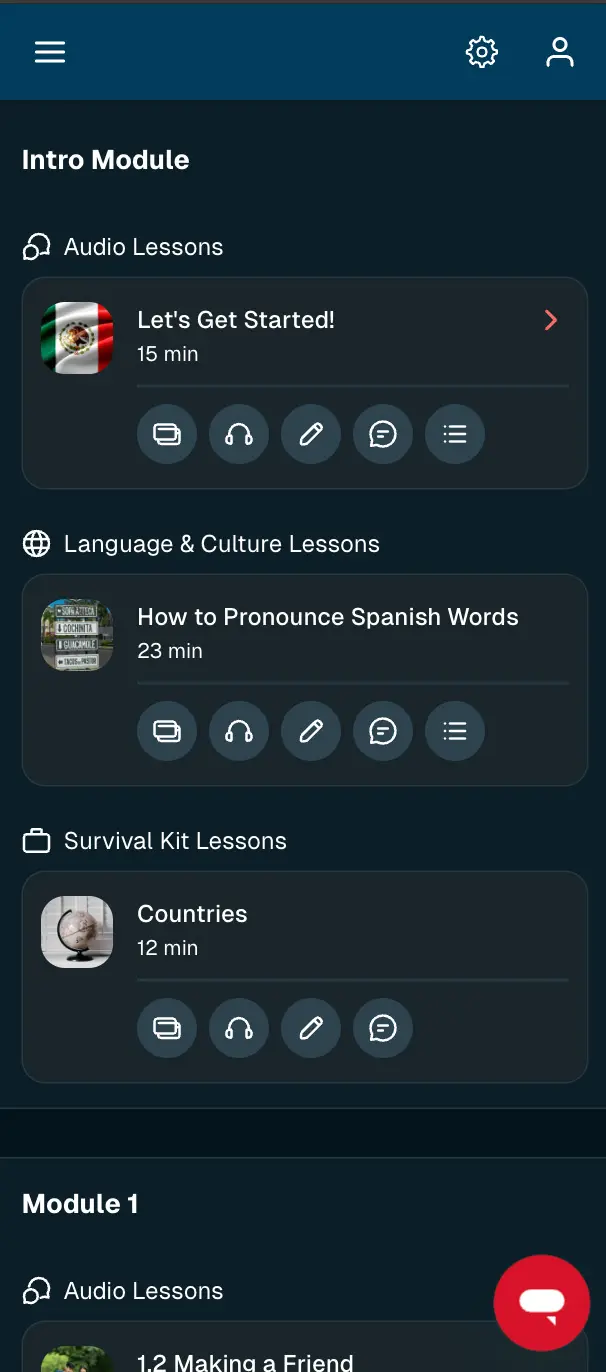
Rocket Spanish combines structured lessons with pronunciation feedback and cultural context.
Key features:
- Grammar explanations with audio
- Speaking and pronunciation practice
- Structured course layout
- Lifetime access option
10) LingQ
(best for reading and listening immersion)
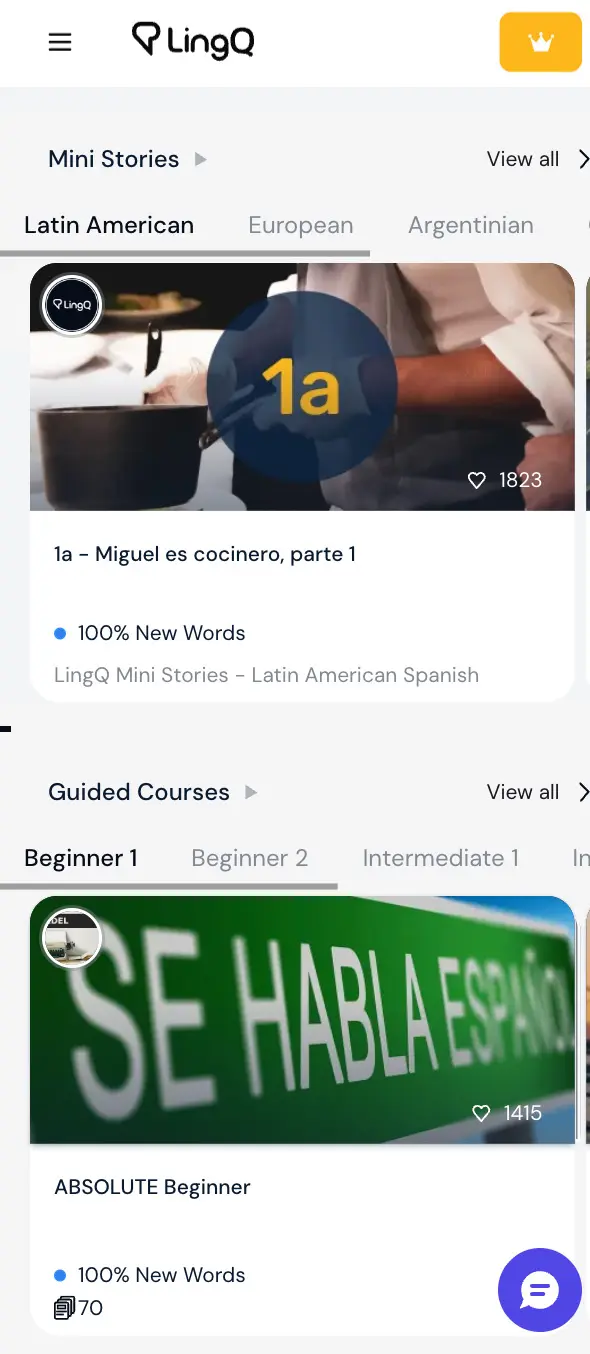
What it’s good for: learners who want to learn Spanish through massive input—reading and listening to real content.
LingQ is best for intermediate learners who want to grow vocabulary naturally through exposure.
Key features:
- Real-world content library
- Reading and listening focus
- Vocabulary tracking tools
- Self-directed learning style
11) italki
(best for real human interaction)
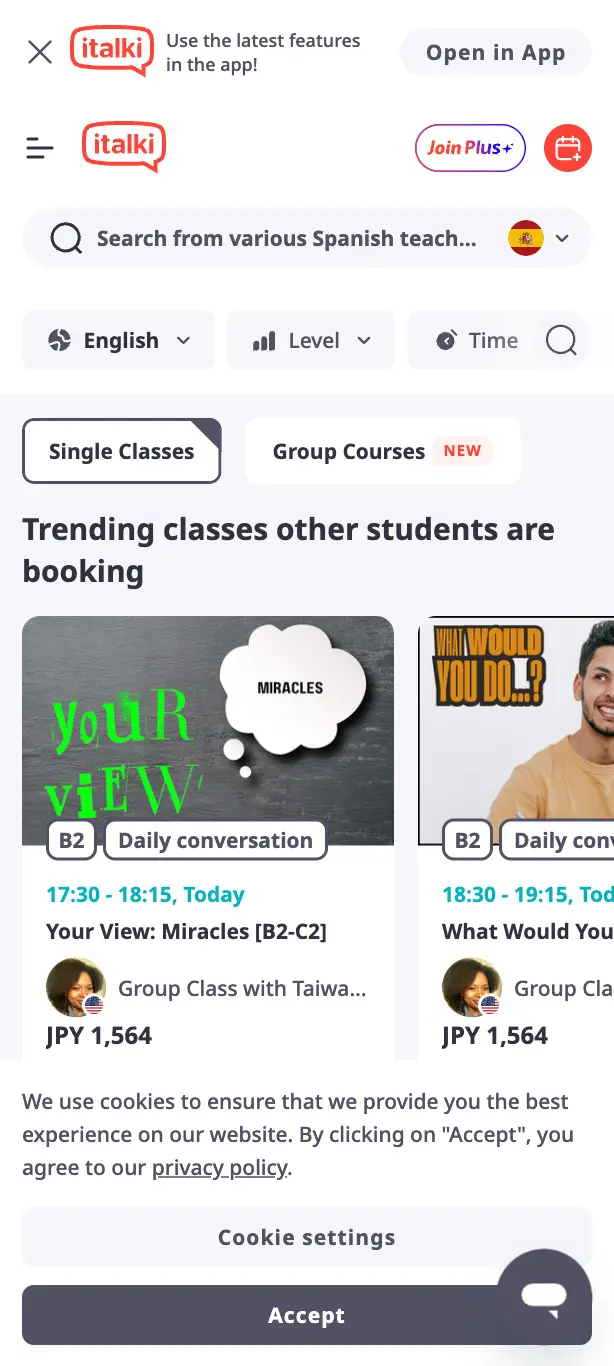
What it’s good for: learners who want personalized speaking practice with real tutors.
italki is a marketplace for one-on-one lessons, which can accelerate speaking confidence quickly.
Key features:
- One-on-one tutors
- Flexible scheduling
- Personalized feedback
- Strong speaking focus
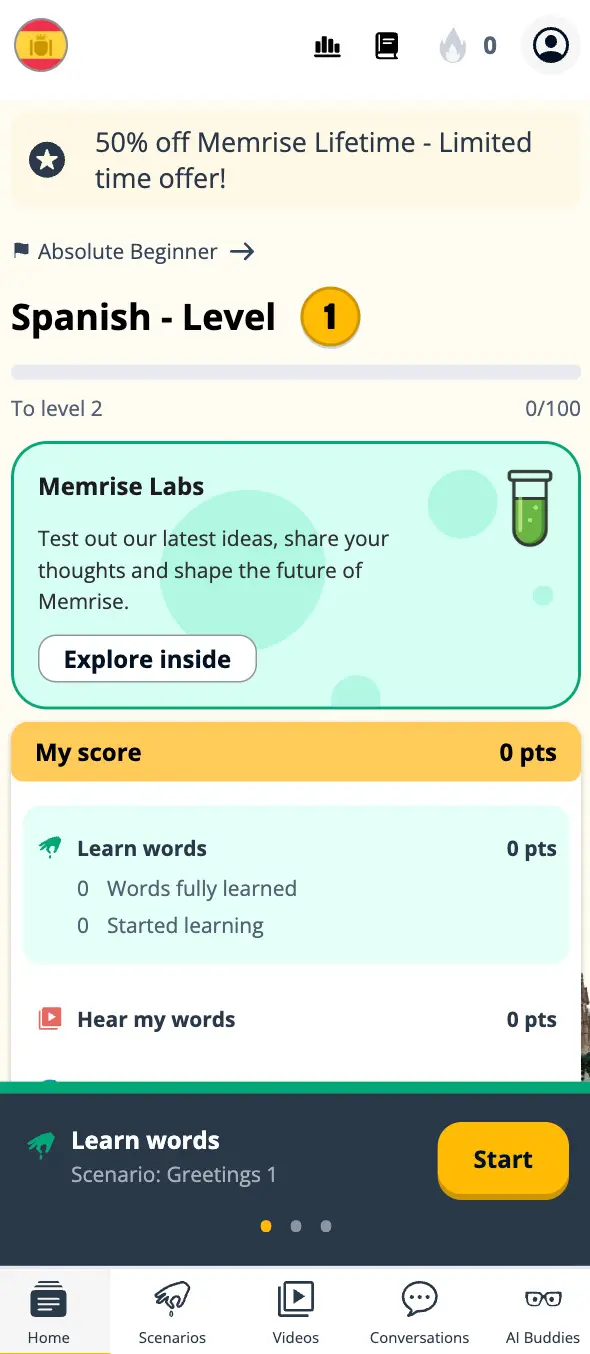
12) Memrise
(best for everyday phrases and listening)
What it’s good for: learners who want exposure to real spoken Spanish through short, memorable clips.
Memrise emphasizes listening and phrase recognition, often using videos of native speakers.
Key features:
- Native speaker video clips
- Phrase-based learning
- Spaced repetition
- Casual, low-pressure sessions
What should you use instead of Duolingo for Spanish?
It’s also worth noting that tools like Google Translate (or other Google translations) are useful for quick word lookups, but they don’t teach grammar, sentence structure, or speaking habits. Translation tools show results, but they don’t help you build language skills over time.
- If speaking is your main goal: tools that build automatic responses and guided output (such as audio-driven courses or conversation-focused platforms) work better than tap-based drills.
- If you want structure and clarity: course-style apps with clear explanations are easier to follow than streak-based systems.
- If memory and retention are the problem: spaced-repetition tools help vocabulary stick long term.
- If you want context, not isolated words: sentence-based practice improves pattern recognition and real usage.
Key takeaway: Most learners make faster progress when they stop searching for one “perfect” app and instead combine one structured learning system with one practice-focused tool.
A practical 30-day Spanish plan (without burnout)
This is a realistic routine that works even with a busy schedule and avoids motivation crashes.
Daily (15–20 minutes)
- 10 minutes: structured learning
(course-based app or a structured Learn Section) - 5–10 minutes: light practice
(spaced repetition or sentence-based drills)
2–3 times per week (10–15 minutes)
- Listen and repeat short audio (shadowing)
- One short speaking or sentence-building prompt
Weekly (30–60 minutes)
- One conversation session
(tutor, exchange partner, or guided AI conversation)
A simple way to stay focused is to pick one grammar topic per week and reuse it across reading, speaking, and short writing.This kind of routine mirrors how most people successfully learn a language: steady exposure, active recall, and regular speaking, rather than passive translation or isolated drills.
Key takeaway: Consistency beats intensity. A short daily routine maintained for 30 days usually produces more progress than long but irregular study sessions.
Conclusion
The best alternatives to Duolingo for Spanish are the ones that solve your specific bottleneck—whether that’s speaking confidence, grammar clarity, listening comprehension, or long-term retention. Today’s best Duolingo alternatives and language learning apps focus less on streaks and more on real usage.
Most learners improve fastest by choosing:
- One core learning system for structure, sentence structure, and foundations
- One practice engine for recall, speaking, and real-world use
When those two work together, progress becomes noticeable within weeks—and far more sustainable than relying on translation tools or gamified drills alone.