
Learn Japanese Kana (Hiragana + Katakana)
If you want to read real Japanese, kana is the fastest “first win.”
This page is your one-stop roadmap: what to learn first, what order works, and a simple 14-day plan you can actually follow.
The shortest route (start here)
Beginner fastest path
- Hiragana → Katakana → Kana extras (dakuten / yoon / small っ / long vowels)
- If you mainly want to read loanwords: Katakana basics → long vowel ー → small ッ → then Hiragana
- Daily time: 10–15 minutes/day (audio + mouth shape + writing)
What “Kana” means (in 60 seconds)
Kana = Hiragana + Katakana.
- Hiragana (ひらがな): used everywhere (grammar endings, common words, kids’ books, furigana).
- Katakana (カタカナ): used for loanwords, brand names, sound effects, emphasis, and many menu items.
Your goal is simple:
✅ Recognize kana fast → ✅ Write cleanly → ✅ Use kana inside real words.
Hiragana vs Katakana — which one first?
Most learners should start with Hiragana first:
Default recommendation: Start with Hiragana
- It appears everywhere in beginner Japanese.
- It unlocks textbooks, apps, and graded readers instantly.
Exception: Start with Katakana if your goal is reading menus, brands, tech terms, and foreign words.
👉 Recommended read (comparison guide):
Katakana vs Hiragana Key Differences Explained
When to learn each script and which one you should start with.
Read →The 14-day kana plan (what to practice each day)
This isn’t a giant workbook. It’s a simple daily routine + a clear order.
Daily routine (10–15 minutes)
- Listen (10 reps) + watch mouth shape
- Shadow (10 reps) — say it out loud
- Write (5 reps) — slow + correct stroke order
- Quick review (10 random kana)
Days 1–7: Hiragana (go by rows, not random)
Practice one “row” at a time (a/i/u/e/o → ka/ki/ku/ke/ko → …).
End each day with a quick mixed review.
- Day 1: あ行 + か行
- Day 2: さ行 + た行
- Day 3: な行 + は行
- Day 4: ま行 + や行
- Day 5: ら行 + わ行 + ん
- Day 6: Mixed review (all learned) + “confusers” list
- Day 7: Speed day (recognition drills) + clean handwriting review
👉 Start here:Hiragana Practice →
Days 8–12: Katakana (same method, extra attention to look-alikes)
Katakana is faster once hiragana feels stable, but it has more “similar shapes.”
- Day 8: ア行 + カ行
- Day 9: サ行 + タ行
- Day 10: ナ行 + ハ行
- Day 11: マ行 + ヤ行 + ラ行
- Day 12: ワ行 + ン + look-alike review (シ/ツ, ソ/ン, ル/レ, etc.)
👉 Continue here:Learn Katakana in 7 Days →
Days 13–14: Mixed review + Kana extras preview
Now you start reading words that combine “base kana + rules.”
- Day 13: mixed hiragana/katakana drills (random sets)
- Day 14: kana extras intro + light practice (don’t cram)
👉 Kana Extras After Hiragana →
Kana Rules You’ll Hit Next (Don’t Skip These)
Dakuten & Handakuten

Yoon Combinations (きゃ / しゃ / りゃ)
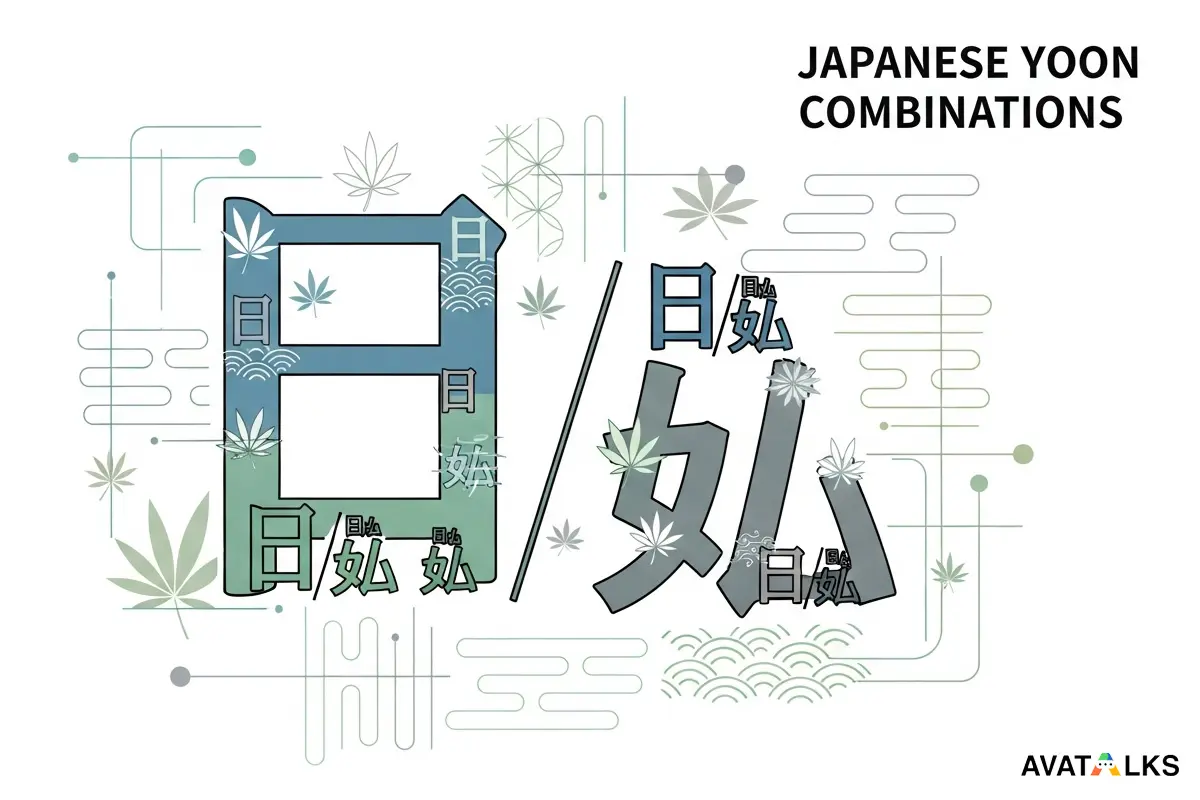
Yoon combinations
Small ゃゅょ combine with an “i” sound: きゃ / しゃ / りゃ. This unlocks tons of common syllables.
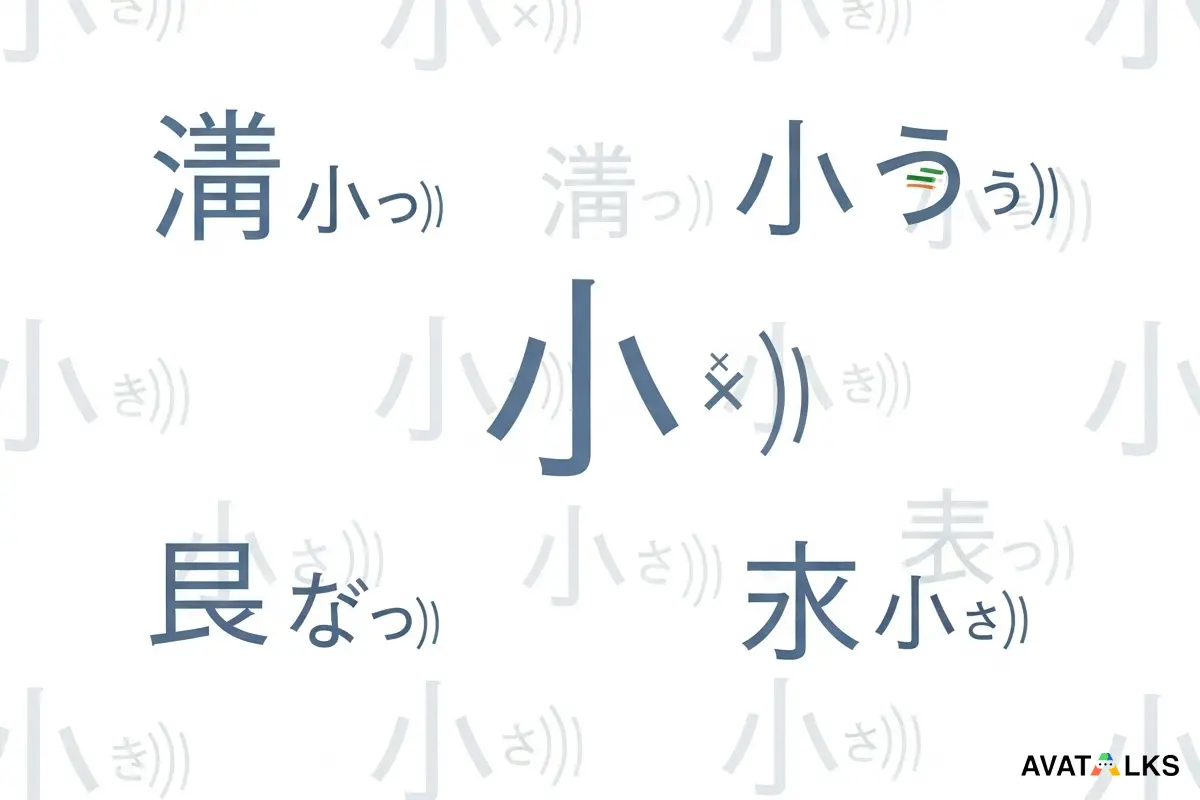
Read →Small っ / ッ (Sokuon)
Kana Order Gojūon (五十音)
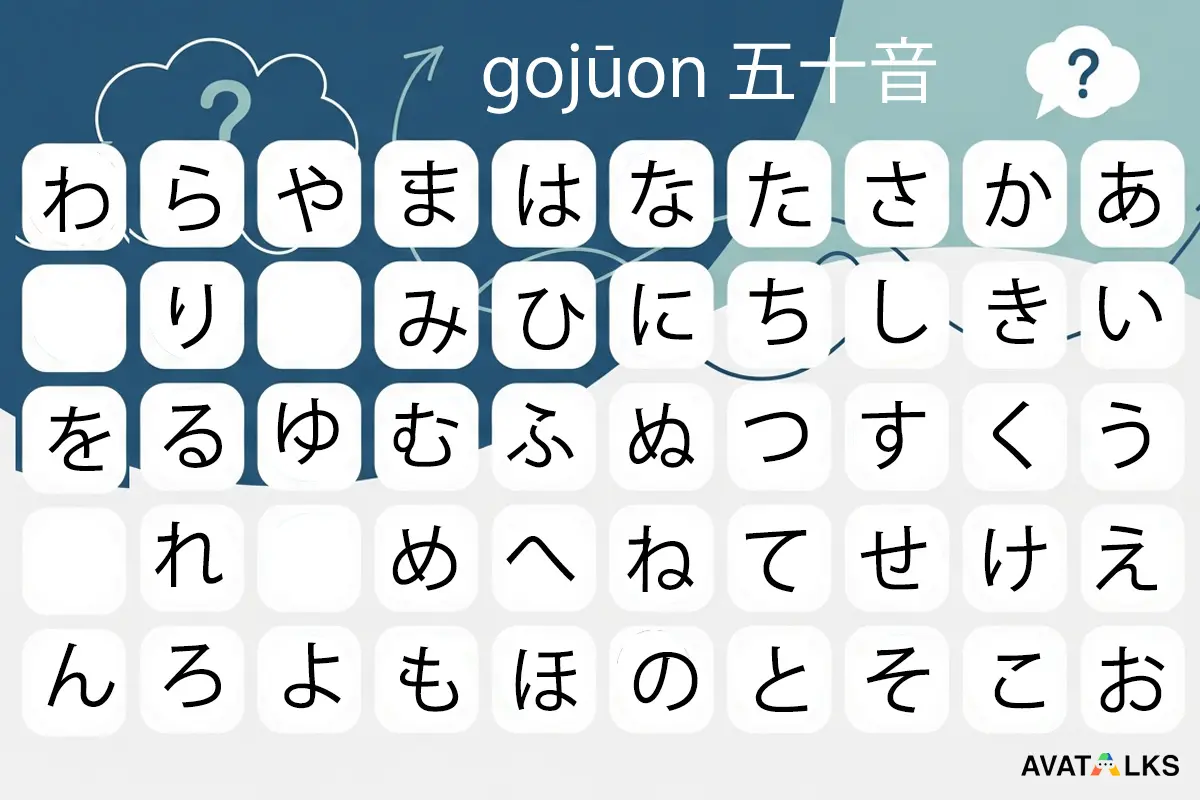
Kana Order (Gojūon 五十音)
Learn the gojūon table used for dictionaries, grammar terms, and Japanese keyboards. Includes a 14-day sequence to practice hiragana and katakana by rows and columns.
Read →Long Vowels
- Katakana: ー
- Hiragana: おう / おお patterns
How to Practice Kana Using the Tool
The 4-Step SOP
- Listen (10x)
- Shadow (10x)
- Write (5x)
- Mixed recall (10 random kana)
Next steps (pick your path)
1) Start Hiragana Practice →
Best default route for most beginners.
2) Learn Katakana in 7 Days →
Perfect if you already know hiragana.
3) Kana Extras After Hiragana →
Dakuten, yoon, small tsu, long vowels.
FAQ
How long does it take to learn Japanese kana?
Most learners can recognize both sets in 2 weeks with 10–15 minutes/day. Writing neatly may take a bit longer, but recognition comes first.
Should I learn hiragana before katakana?
Usually yes, because hiragana appears everywhere in beginner Japanese. Learn katakana first only if your short-term goal is reading loanwords and menus.
Is romaji helpful or harmful?
Romaji is helpful for the first few days, but harmful if you rely on it too long. Use it as training wheels, then remove it quickly so your brain switches to kana.
What are dakuten / yoon / small っ and when should I learn them?
They are “kana rules” that unlock real words. Learn them right after you’re comfortable with basic kana — typically days 13–14.
Why do I keep mixing up similar kana?
It’s normal. Solve it with:
- short daily recall drills,
- a “confusers list” (your personal problem pairs),
- and handwriting practice to lock in shape differences.
What should I practice every day?
Use the 4-step SOP:
Listen → Shadow → Write → Mixed review.
Consistency beats long sessions.
Quick start
Start practicing kana now →