TL;DR
- If you already learned hiragana, you can learn katakana fast to read and write the Japanese language.
- The winning loop is: listen → watch mouth shape → repeat → write → quick review.
- Use the 7-day plan to read katakana, then use the 14-day plan to make it stable.
- Don’t ignore katakana “boss levels” like シ/ツ and ソ/ン, or you’ll keep guessing forever.
- Katakana becomes truly useful when you can read foreign words and the long vowel mark ー.
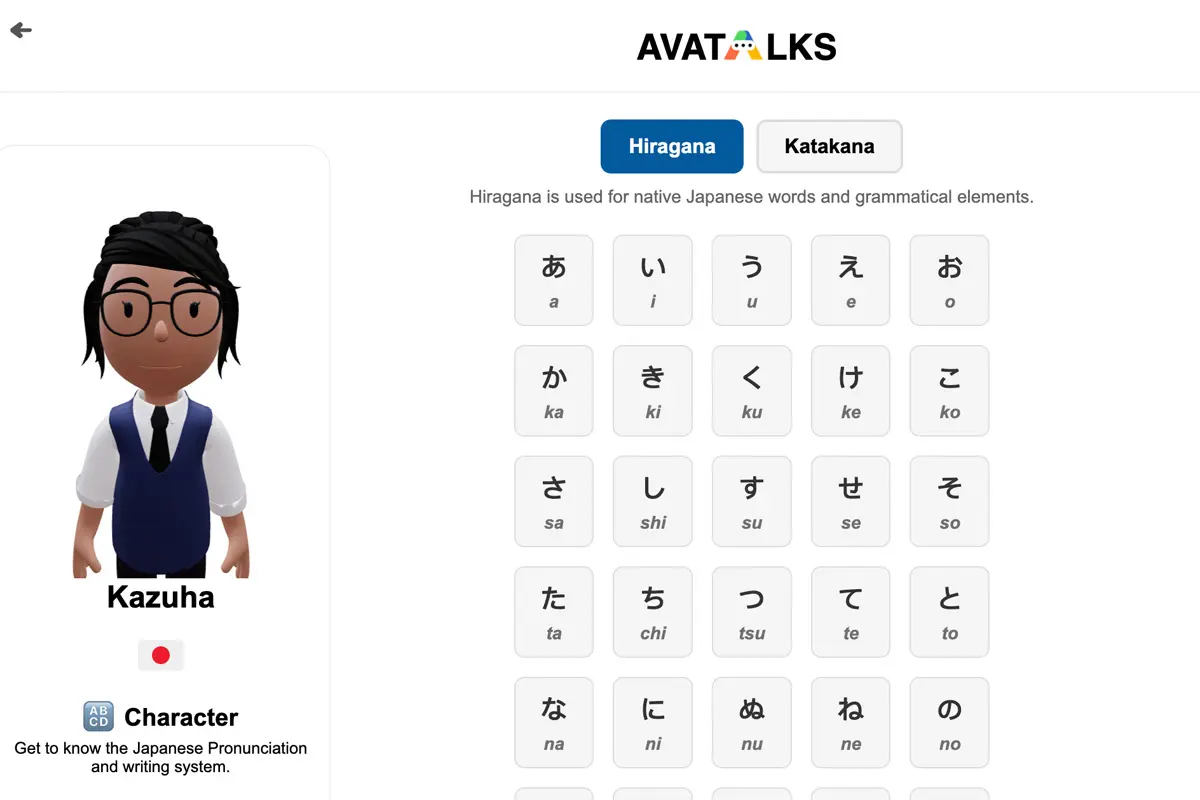
Katakana Practice Tool (Audio + Writing)
Practice each katakana character with audio, mouth-shape guidance, and writing mode. Use it with the daily plan on this page.
Open the tool →Start Here — How to Use the Tool to Learn Katakana
Katakana is one of the three writing systems of the Japanese language, used mainly for foreign words, names, and technical terms.
Mastering katakana helps you read menus, apps, anime subtitles, and loanwords in modern Japanese.
- Listen (no romaji)
- Watch mouth shape
- Repeat out loud (3–5 times)
- Write the character (5 times)
- Review the mini-set once (fast)
This works because you’re training:
- your ear (sound)
- your mouth (pronunciation muscle memory)
- your hand (movement memory)
If you skip writing, you forget shapes. If you skip audio, you “read” but can’t speak.
Katakana Chart (excerpt with audio)
| A | I | U | E | O | |
|---|---|---|---|---|---|
| ア (a) | イ (i) | ウ (u) | エ (e) | オ (o) | |
| K | カ (ka) | キ (ki) | ク (ku) | ケ (ke) | コ (ko) |
| S | サ (sa) | シ (shi) | ス (su) | セ (se) | ソ (so) |
| T | タ (ta) | チ (chi) | ツ (tsu) | テ (te) | ト (to) |
| N | ナ (na) | ニ (ni) | ヌ (nu) | ネ (ne) | ノ (no) |
| H | ハ (ha) | ヒ (hi) | フ (fu) | ヘ (he) | ホ (ho) |
| M | マ (ma) | ミ (mi) | ム (mu) | メ (me) | モ (mo) |
| Y | ヤ (ya) | — | ユ (yu) | — | ヨ (yo) |
| R | ラ (ra) | リ (ri) | ル (ru) | レ (re) | ロ (ro) |
| W | ワ (wa) | — | — | — | ヲ (wo) |
| — | — | ン (n) | — | — |
Day-by-Day Plan (7 Days to Read, 14 Days to Feel Stable)
Katakana Practice Online
Daily 15-minute structure + today’s character list + tool-based drills (audio → mouth shape → writing).
Practice →Pronunciation Practice (Listen → Mouth Shape → Repeat)
Katakana Pronunciation Practice
Fix “weird” katakana sounds (loanwords, long vowels, small ゃゅょ, etc.) with mouth-shape drills.
Practice →Writing Practice (10-Min Template)
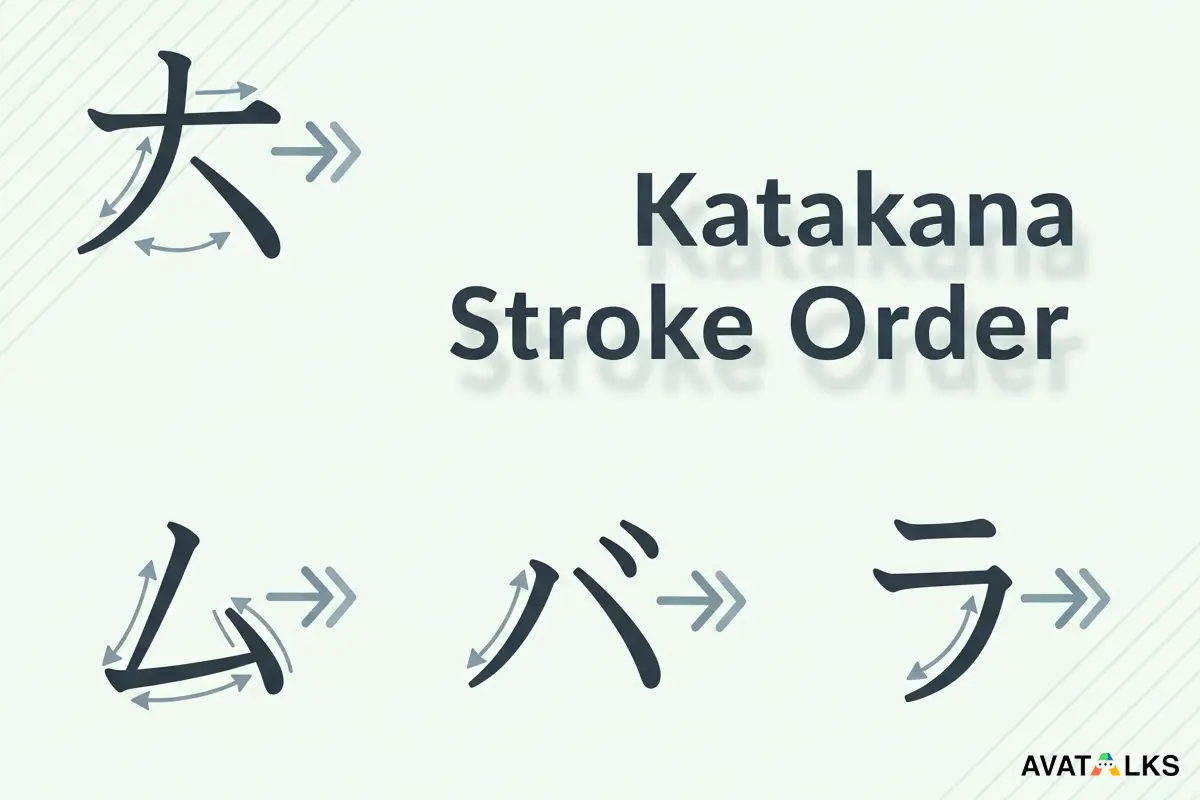
Katakana Stroke Order
3–5 rules + the ugliest characters + the 10-minute writing drill (trace → copy → recall).
Practice →The Katakana Long Vowel Mark ー Explained: The Rule That Saves You
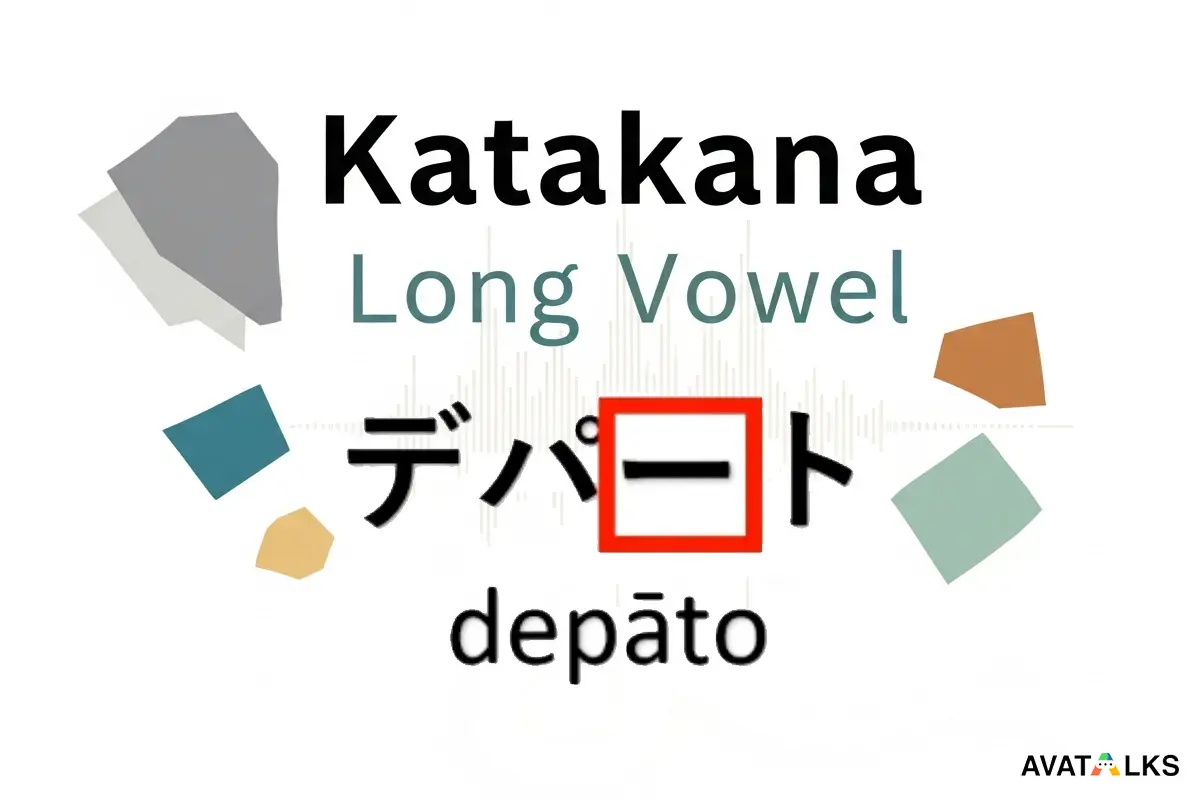
Katakana Long Vowel Mark ー
What ー means, the 3 rules that prevent mistakes, and a high-frequency practice list.
Practice →katakana for foreign words
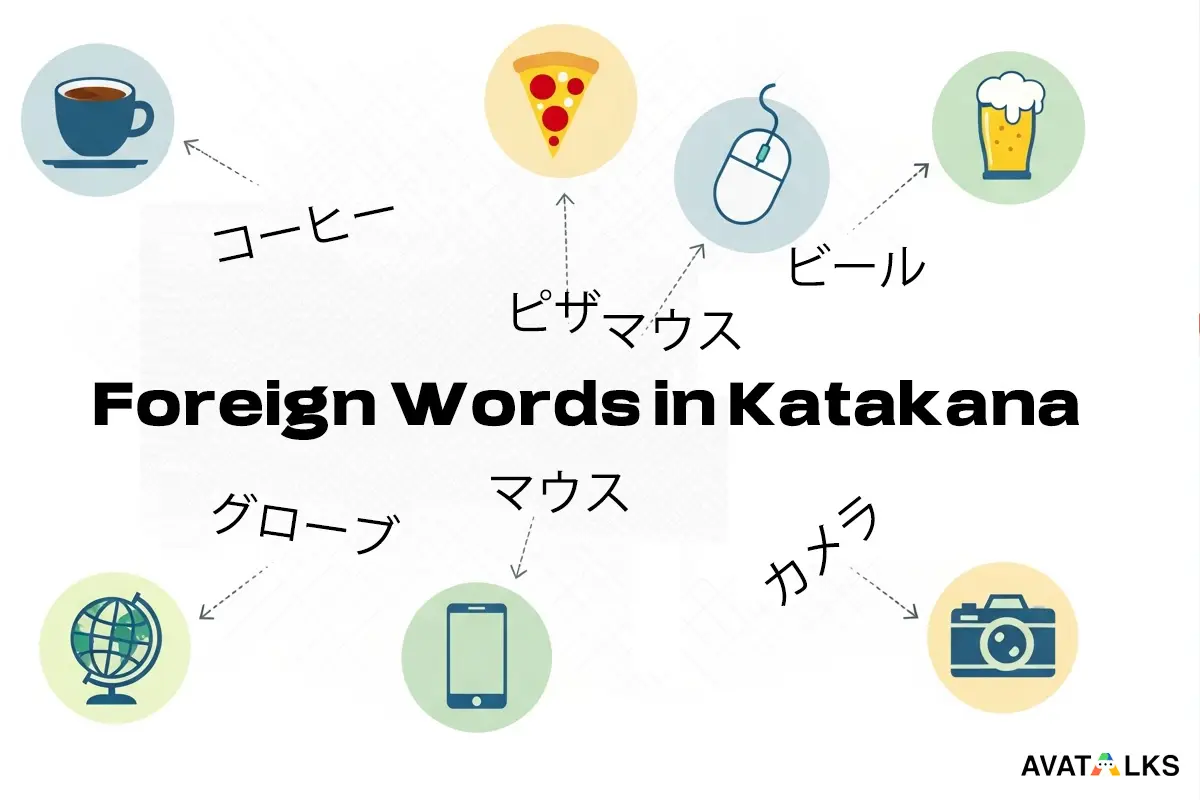
Katakana for Foreign Words
How loanwords map into Japanese sounds (long vowels, small vowels like ファ/フォ, etc.) with 3 difficulty lists.
Practice →Common Katakana Mistakes
Many learners confuse katakana characters that look almost identical.
If シ and ツ or ソ and ン keep tricking you, you’re not alone.
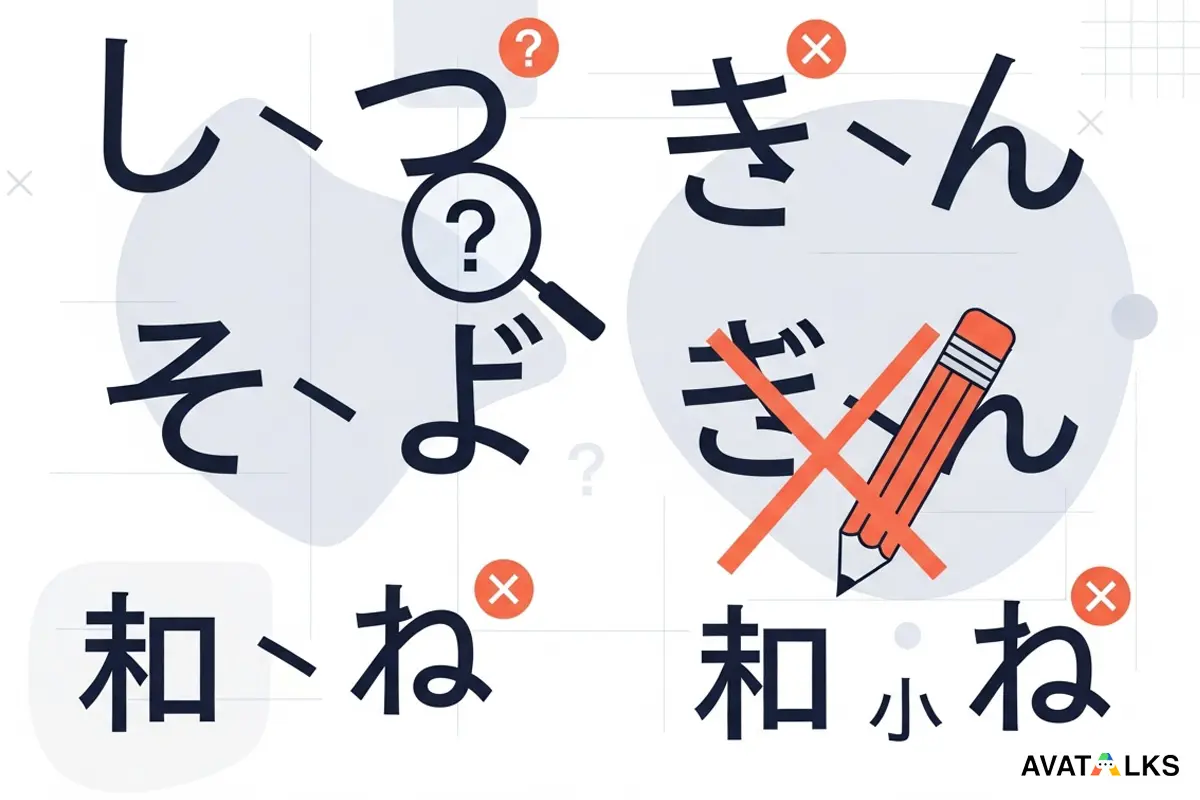
Common Katakana Mistakes Guide
Fix confusing pairs like シ/ツ and ソ/ン with fast visual rules and contrast drills.
Practice →What to Learn Next (After Katakana)
Katakana, hiragana, and kanji together form the core writing systems of the Japanese language.
Next steps:
-
If you haven’t mastered hiragana yet:
-
Kana extras: dakuten / yoon / small っ
→ Read this: Kana Extras After Hiragana: Dakuten, Yoon, Small っ
FAQ
How long does it take to learn katakana?
Most learners can read katakana in 7 days and feel confident in 14 days with daily practice.
Is katakana harder than hiragana?
Katakana is visually sharper and easier to write, but harder to recognize due to similar shapes.
Should I learn katakana or hiragana first?
Most learners start with hiragana, then katakana.
Why are foreign words written in katakana?
Katakana is used for loanwords, names, and technical terms in Japanese.
Final Tip
If you want to learn katakana quickly and read the Japanese language with confidence, don’t chase perfection—chase daily repetition with feedback.
Do 15 minutes a day, follow the rows, and use the tool every session.