If you are looking for Spanish grammar practice, you probably do not need another giant grammar book.
You probably need something more practical:
- the right topic
- the right exercise
- and a clear place to start when you keep making the same mistake
That is what this page is for.
This is not a long theory lesson about all of Spanish grammar.
It is a practice hub built around the way learners actually struggle:
- confusing ser and estar
- mixing up past tenses
- placing pronouns incorrectly
- freezing when adjective position changes the meaning
- understanding the rule, but not using it reliably
So instead of reading grammar in a random order, you can use this page to find the exact area you want to improve and practice it with more intention.
TL;DR
Use this page as a Spanish grammar practice hub, not as a textbook.
The best way to use it is:
- Find the grammar topic that keeps causing mistakes
- Practice only that topic for a few days
- Reuse it in short speaking or writing
- Move to the next problem only after the first one feels more stable
If you are not sure where to begin:
- start with ser vs estar if your descriptions feel wrong
- start with gustar if likes and reactions confuse you
- start with preterite vs imperfect if past tense is your main problem
- start with pronouns if your sentences feel unnatural even when the vocabulary is correct
What this Spanish grammar practice page is for
A lot of learners study Spanish grammar in the wrong order.
They move through chapters mechanically:
- articles
- then adjectives
- then verbs
- then another tense
- then another rule
But real grammar problems do not show up that neatly.
Usually, learners notice grammar when something breaks.
For example:
- “Why did I say es cansado?”
- “Why is it me gusta and not yo gusto?”
- “Why does this pronoun move?”
- “Why does un gran hombre not mean the same thing as un hombre grande?”
That is why this page is organized by problem type, not only by grammar labels.
How to use this hub well
You do not need to start at the top and complete every topic in order.
A better approach is:
If you keep making one repeated mistake
Choose that one topic and practice it daily for a week.
If your speaking feels slow and blocked
Work on high-frequency grammar:
- ser vs estar
- gustar
- pronouns
- present and past tense contrasts
If your grammar is “mostly right” but still unnatural
Focus on:
- adjective position
- pronoun placement
- por vs para
- commands
- sentence structure choices
A good working rule is:
Pick one topic at a time, practice it for 10–15 minutes a day, then use it in your own sentences before moving on.
That works much better than touching five grammar topics in one session and remembering none of them well.
Spanish grammar practice by topic
Below are the main Spanish grammar practice areas, grouped by the kinds of mistakes learners actually make.
1. Core verb meaning and contrast
These topics are high-value because they fix grammar problems that appear constantly in basic and intermediate Spanish.
Spanish Ser vs Estar Practice
This is one of the most important contrast topics in all beginner Spanish.
Practice this if you confuse:
- identity vs state
- permanent description vs temporary condition
- location vs essence
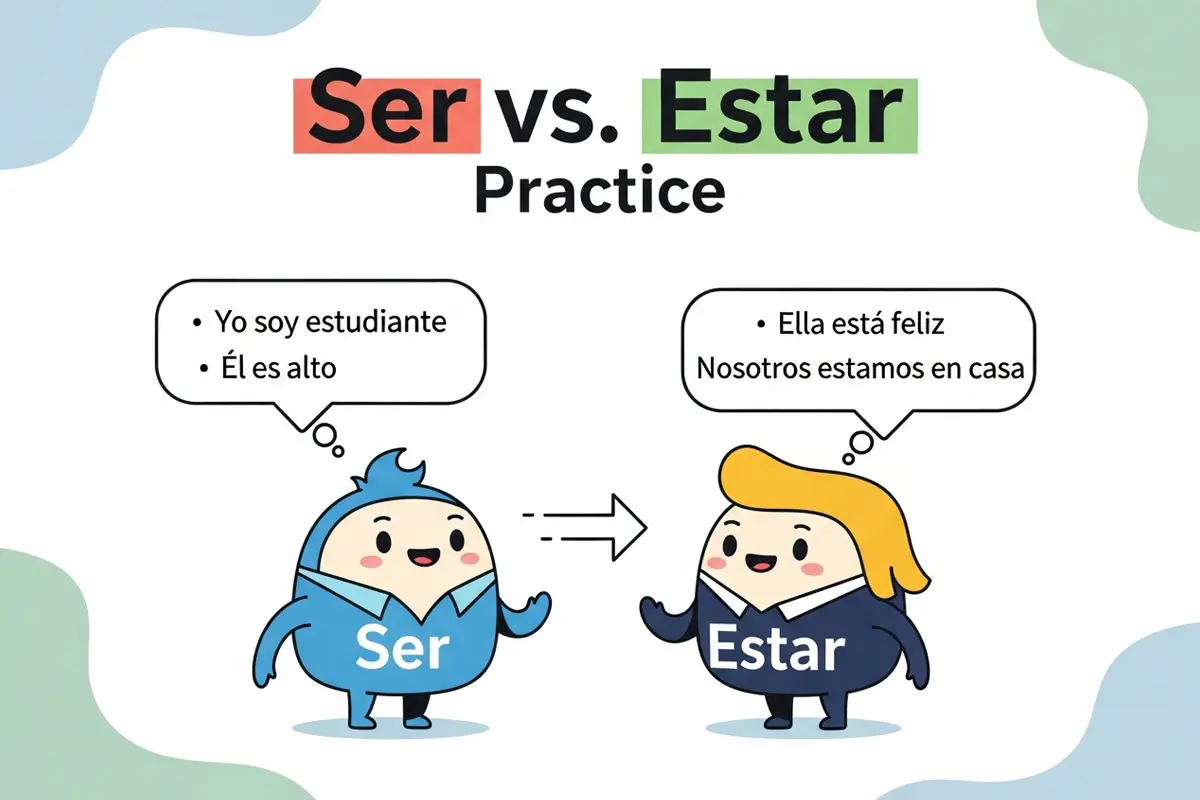
Spanish Ser vs Estar Practice
Practice when to describe identity, characteristics, condition, and location with real contrast sentences.
Practice →Spanish Gustar Practice
This topic matters because gustar does not work like English to like.
Practice this if you keep mixing up:
- me gusta
- me gustan
- me encanta
- pronoun choice and subject agreement
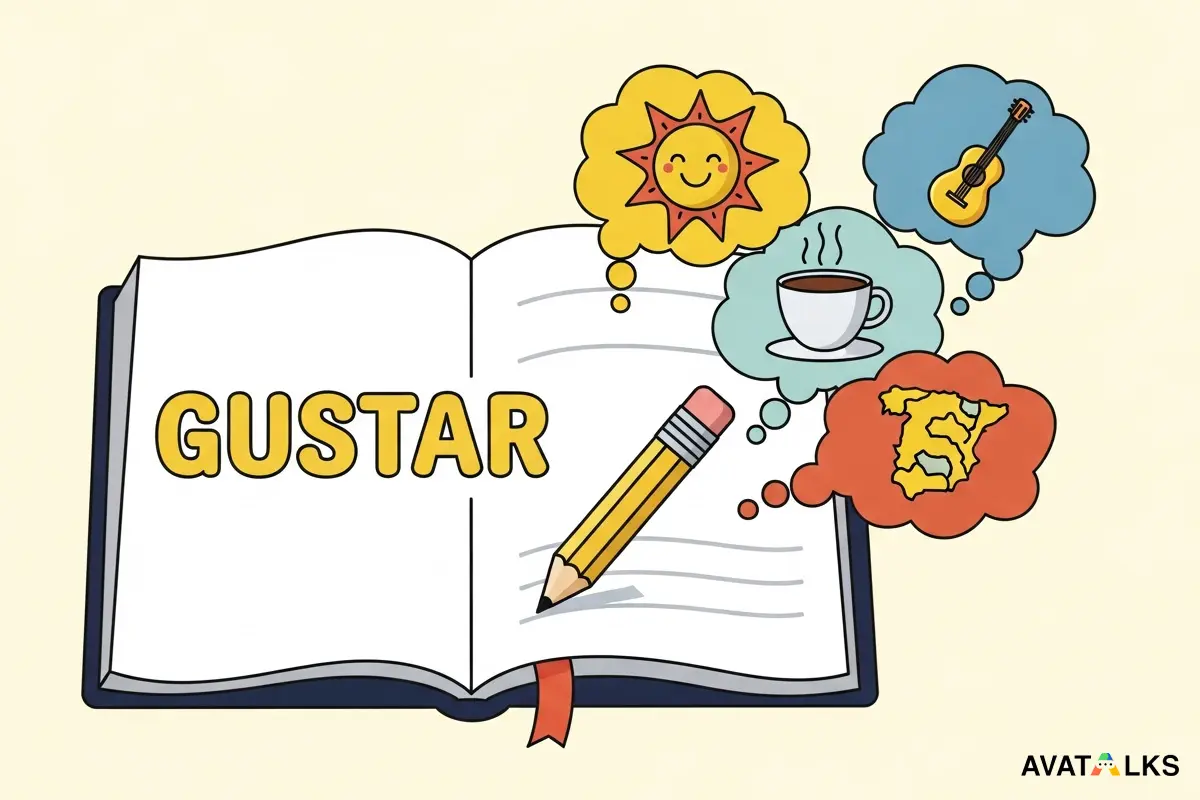
Spanish Gustar Practice
Train sentence patterns for likes, dislikes, and reactions using me gusta, me gustan, me encanta, and related verbs.
Practice →Spanish Reflexive Verbs Practice
Reflexive verbs show up early and often in real Spanish.
Practice this if you want stronger control over verbs like:
- irse
- ponerse
- sentirse
- and daily routine verbs
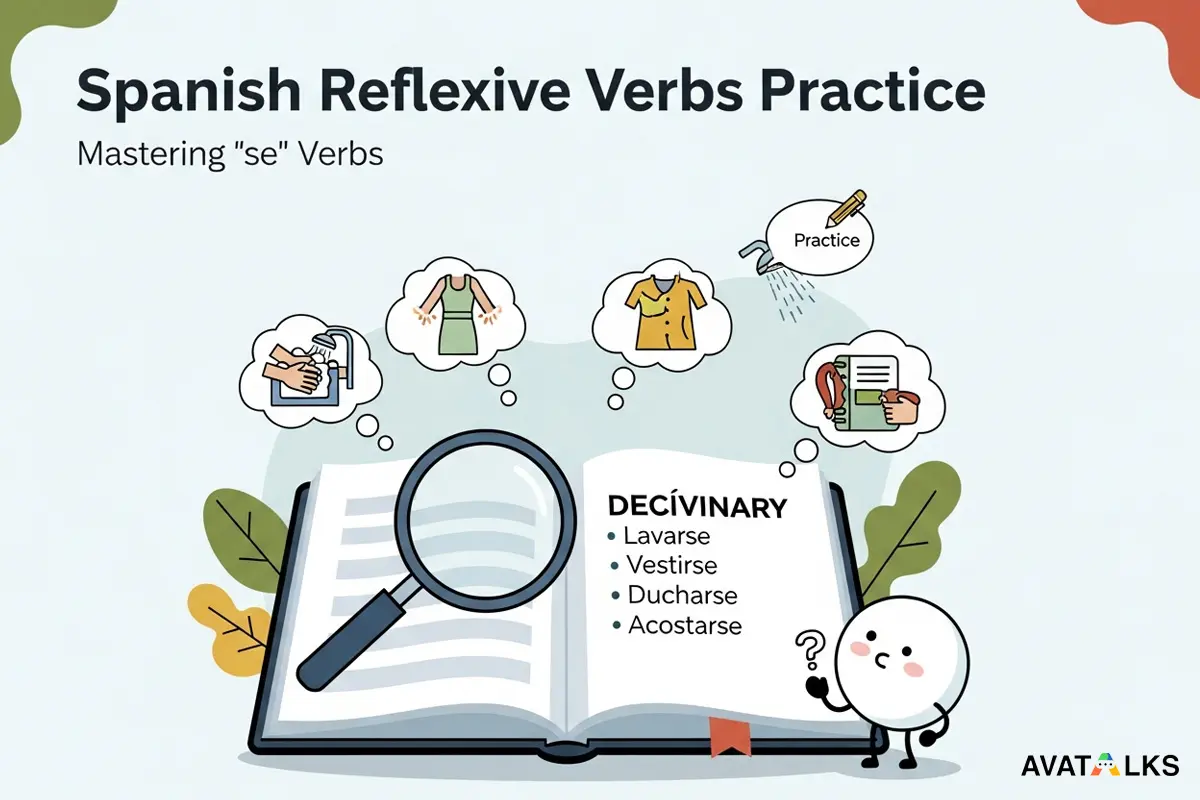
Spanish Reflexive Verbs Practice
Practice verbs like irse, ponerse, and sentirse to express routine, change, and emotional state more naturally.
Practice →2. Tenses and time reference
This group helps you answer one of the biggest Spanish learner questions:
What tense should I use here?
Preterite vs Imperfect Practice
This is one of the biggest intermediate pain points.
Practice this if you confuse:
- completed action vs background description
- events vs ongoing context
- story action vs scene-setting
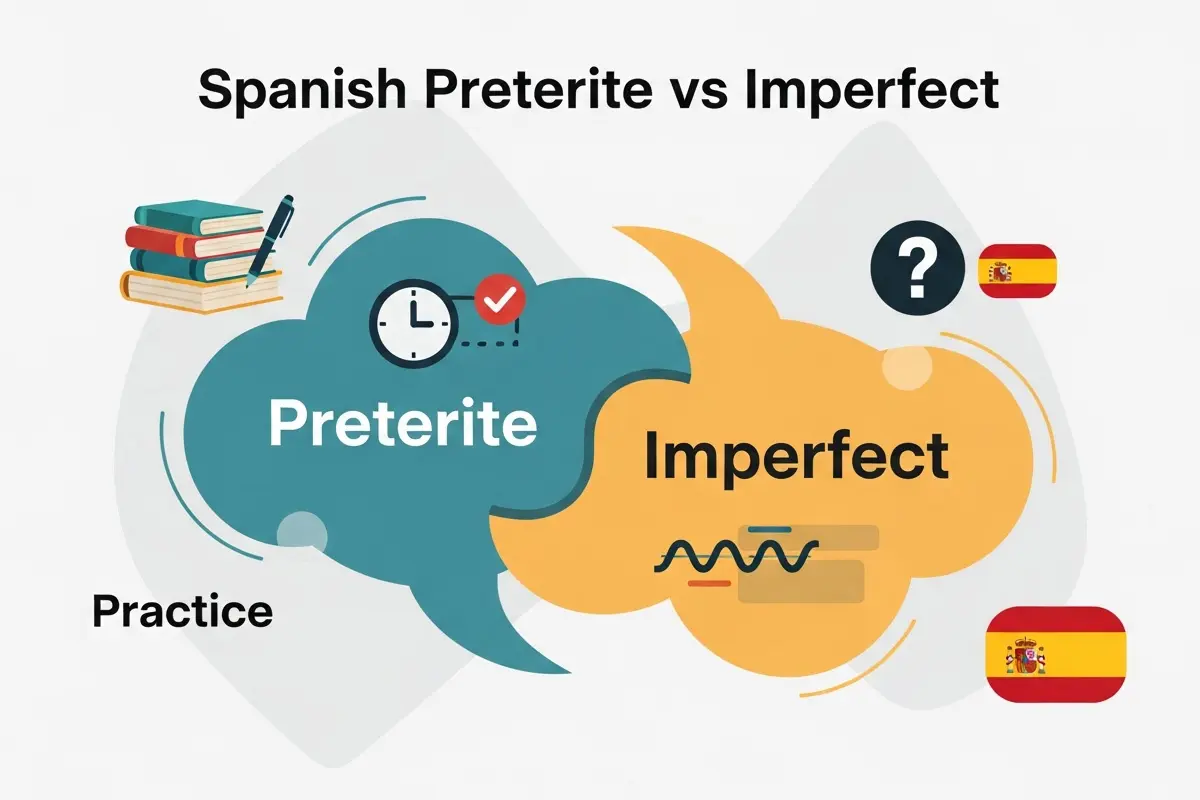
Preterite vs Imperfect Practice
Practice when to use completed past action and when to describe background, habit, or ongoing past situations.
Practice →Present Perfect vs Preterite Practice
This topic is especially useful because learners often meet both forms but do not fully understand the contrast in real usage.
Practice this if you want stronger control over:
- recent past
- finished past
- Spain vs Latin America tendencies
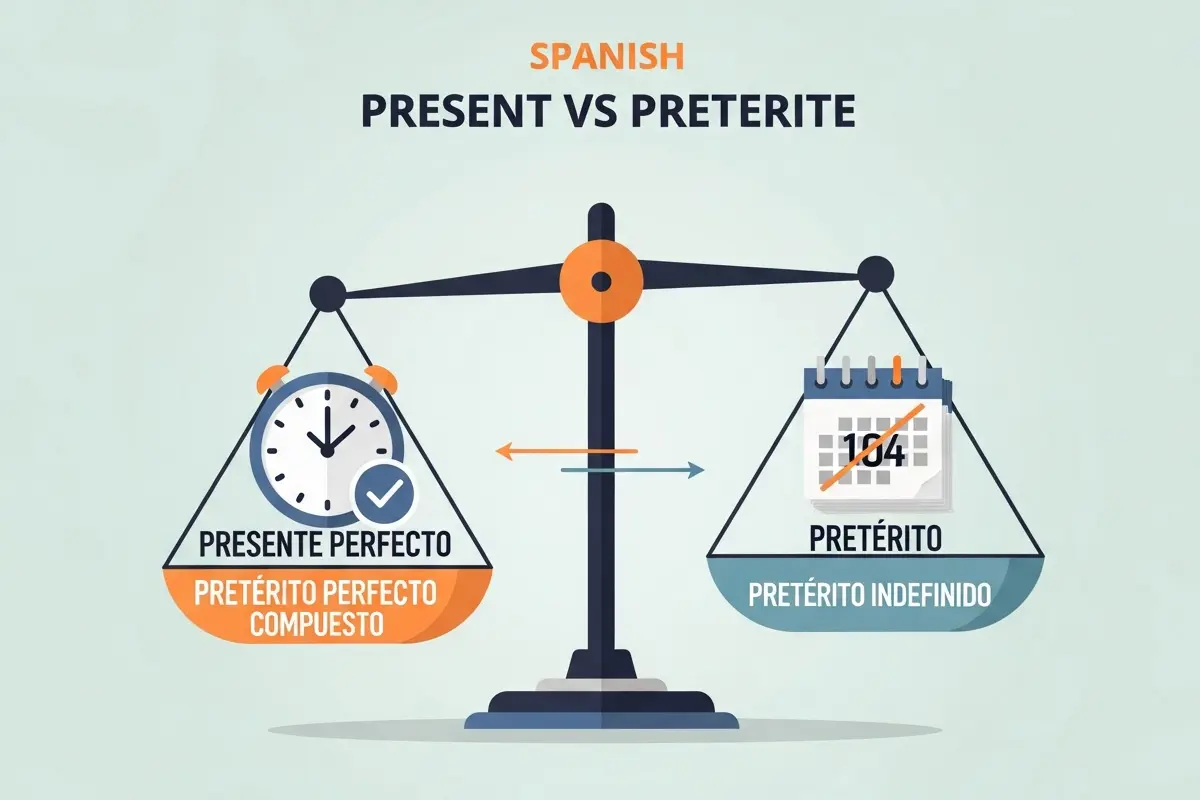
Present Perfect vs Preterite Practice
Compare these two past forms with real examples and get clearer about when each one sounds natural.
Practice →Spanish Subjunctive Practice
The subjunctive is easier when you stop treating it like a mystery tense and start learning its trigger environments.
Practice this if you struggle with:
- doubt
- emotion
- recommendation
- uncertainty
- and trigger phrases
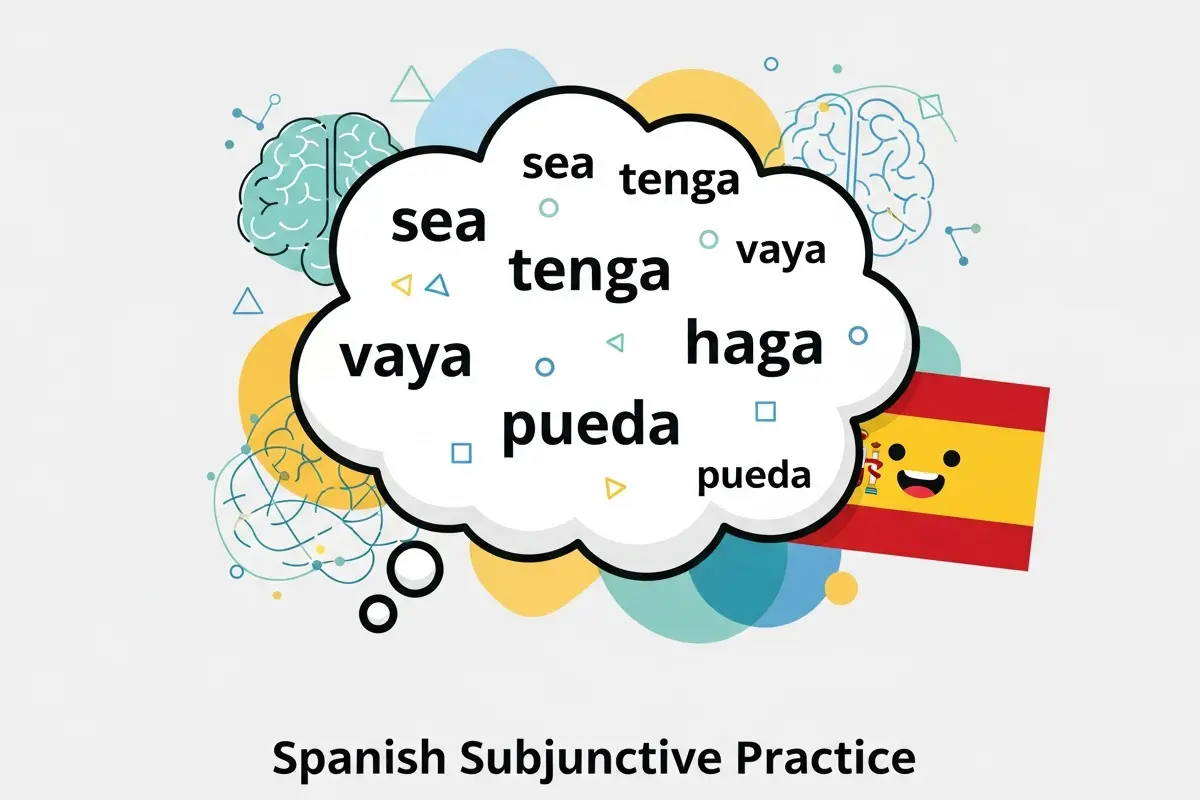
Spanish Subjunctive Practice
Practice common trigger phrases and sentence patterns that naturally require the subjunctive.
Practice →3. Sentence structure and grammar mechanics
These topics are especially important when your Spanish sounds “almost right” but still unnatural.
Por vs Para Practice
This is one of the most famous Spanish contrast problems.
Practice it if you confuse:
- purpose
- reason
- destination
- exchange
- deadline
- recipient
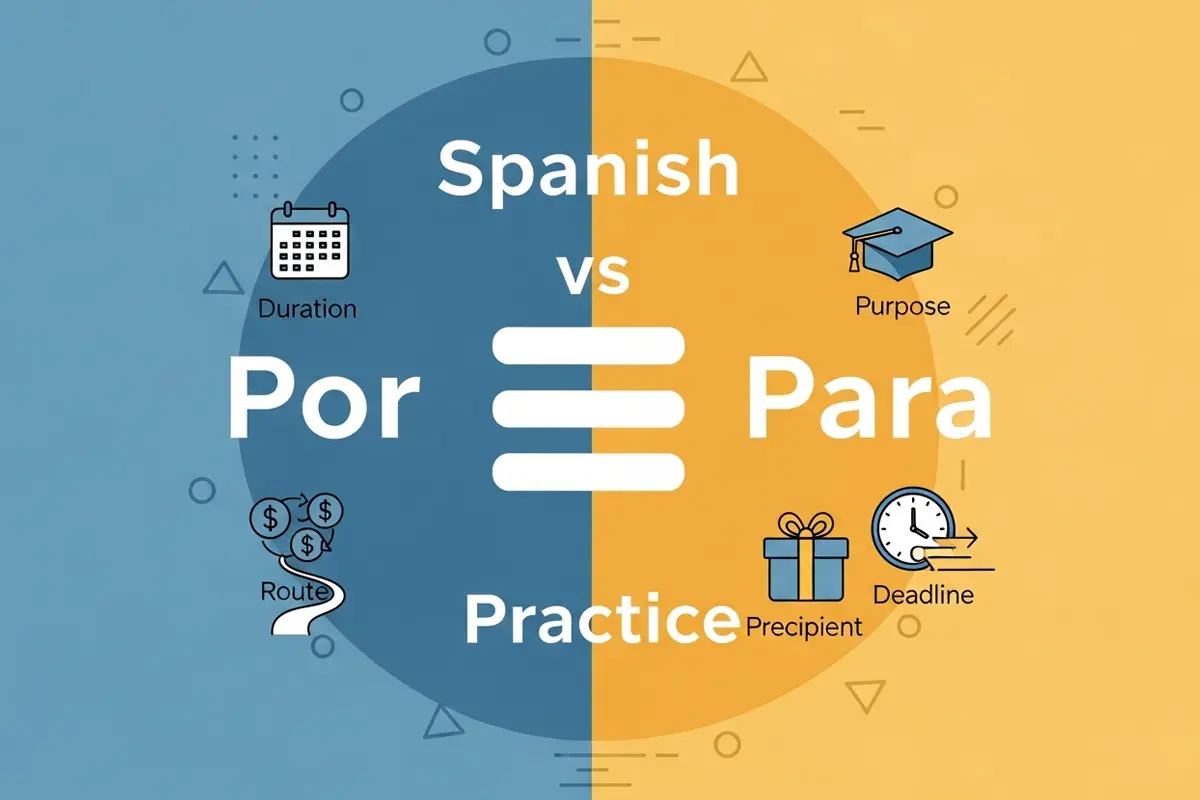
Por vs Para Practice
Practice expressing reason, purpose, destination, and exchange with much more confidence.
Practice →Direct vs Indirect Object Pronouns Practice
This topic matters when your sentence meaning is right in your head, but the Spanish structure still feels unstable.
Practice:
- lo / la / los / las
- le / les
- pronoun combinations
- and meaning by function
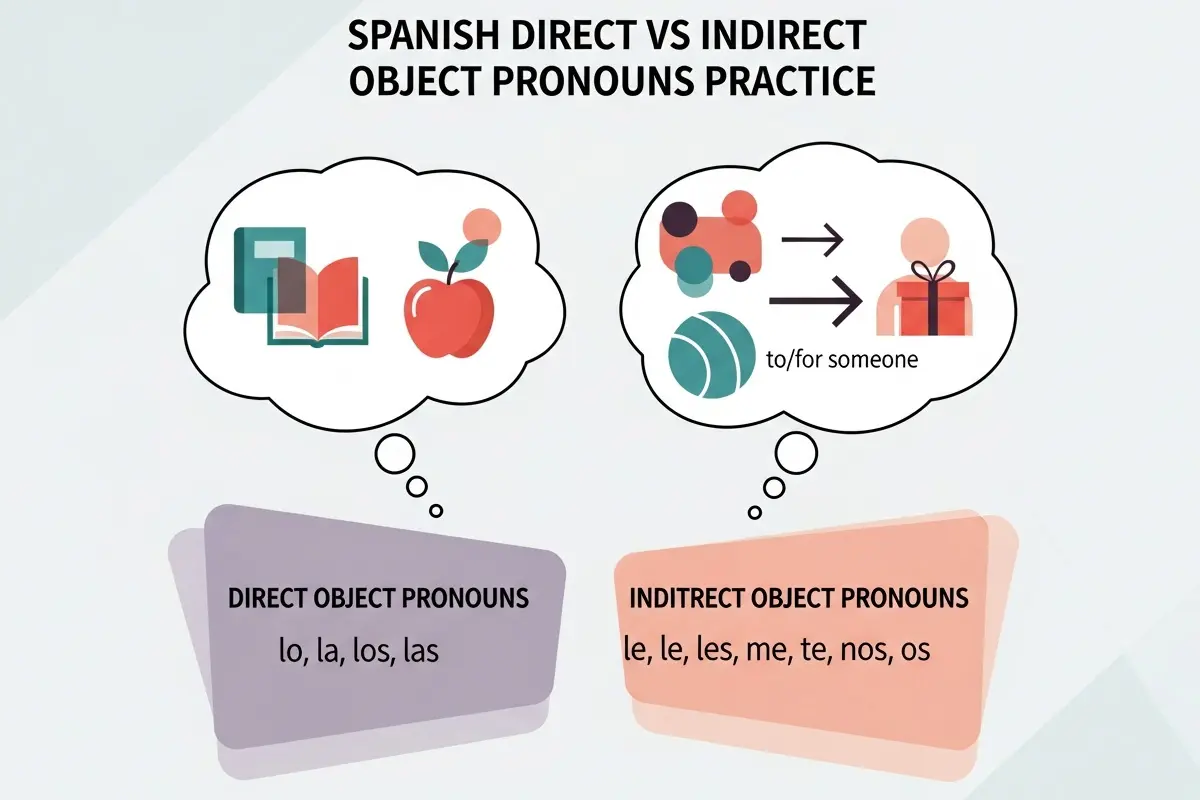
Direct vs Indirect Object Pronouns Practice
Train lo, la, le, se, and related patterns with guided examples and contrast exercises.
Practice →Spanish Pronoun Placement Practice
Even learners who know the correct pronoun often place it in the wrong position.
Practice this if you want stronger control over pronouns:
- before conjugated verbs
- after infinitives
- with gerunds
- and in commands
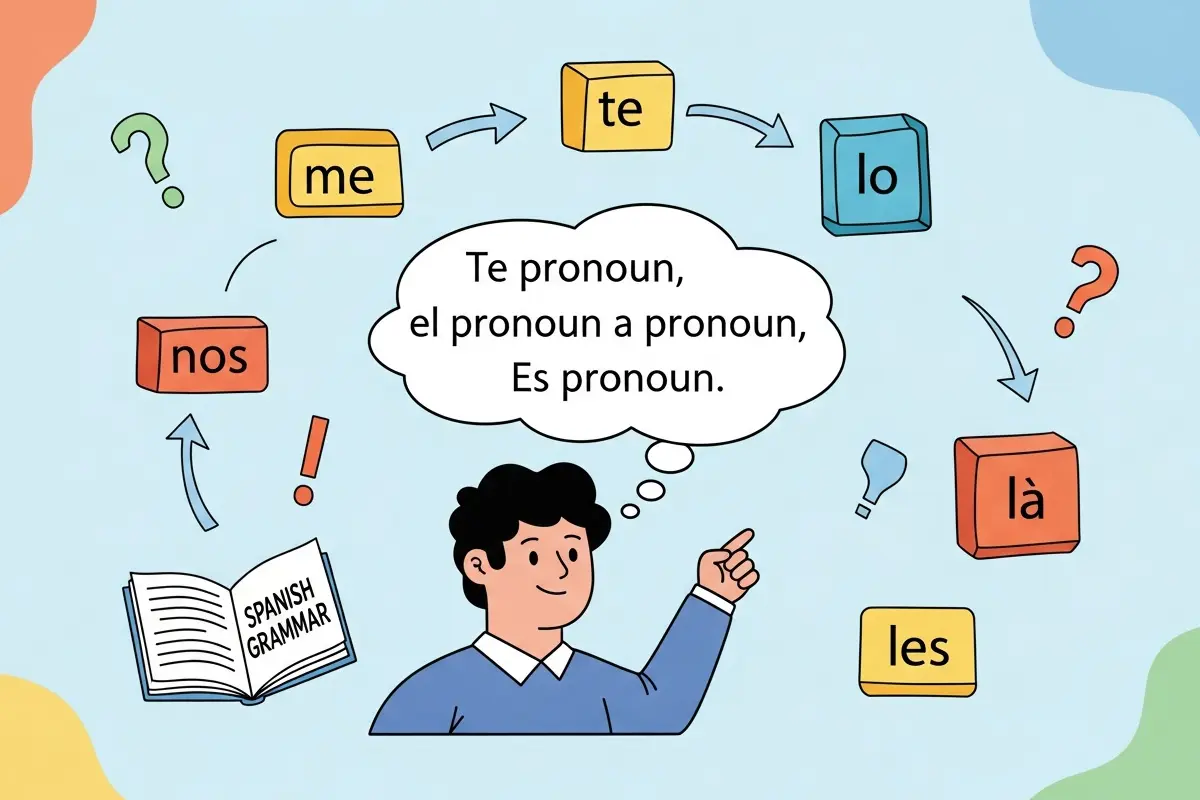
Spanish Pronoun Placement Practice
Practice where pronouns go before verbs, after infinitives, and with affirmative and negative commands.
Practice →Spanish Adjective Position Practice
This topic is more important than many learners realize because adjective position can change meaning, not just style.
Practice this if you want to feel the difference between:
- un gran hombre
- and un hombre grande
Spanish Adjective Position Practice
Learn when adjectives normally follow the noun and when moving them changes meaning or tone.
Practice →Spanish Gender Rules Practice
Learners often think gender is only about memorizing noun endings, but the real challenge is agreement.
Practice this if you want to improve:
- noun gender recognition
- adjective agreement
- article agreement
- and common exceptions
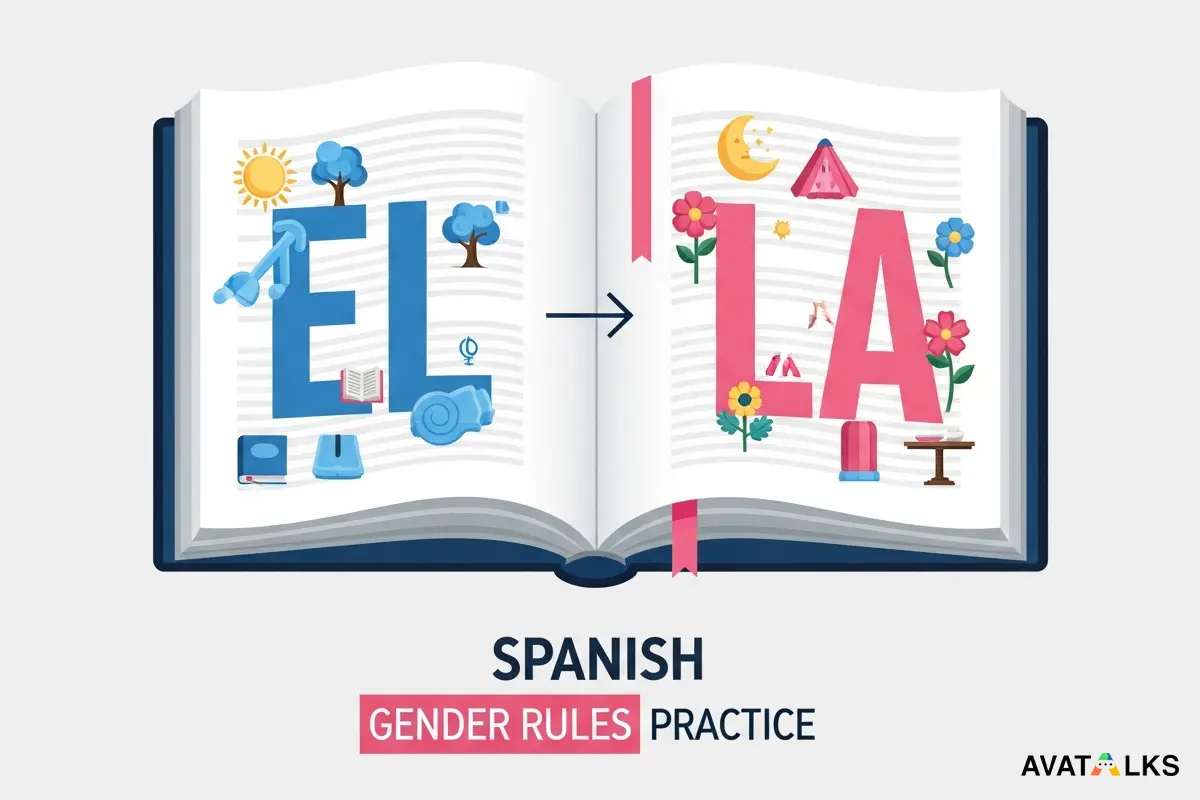
Spanish Gender Rules Practice
Practice masculine and feminine nouns, agreement patterns, and the exceptions that usually cause mistakes.
Practice →Spanish Commands Practice
Commands matter because they connect grammar directly to real communication.
Practice this if you want stronger control over:
- tú commands
- usted commands
- nosotros commands
- affirmative vs negative command structures
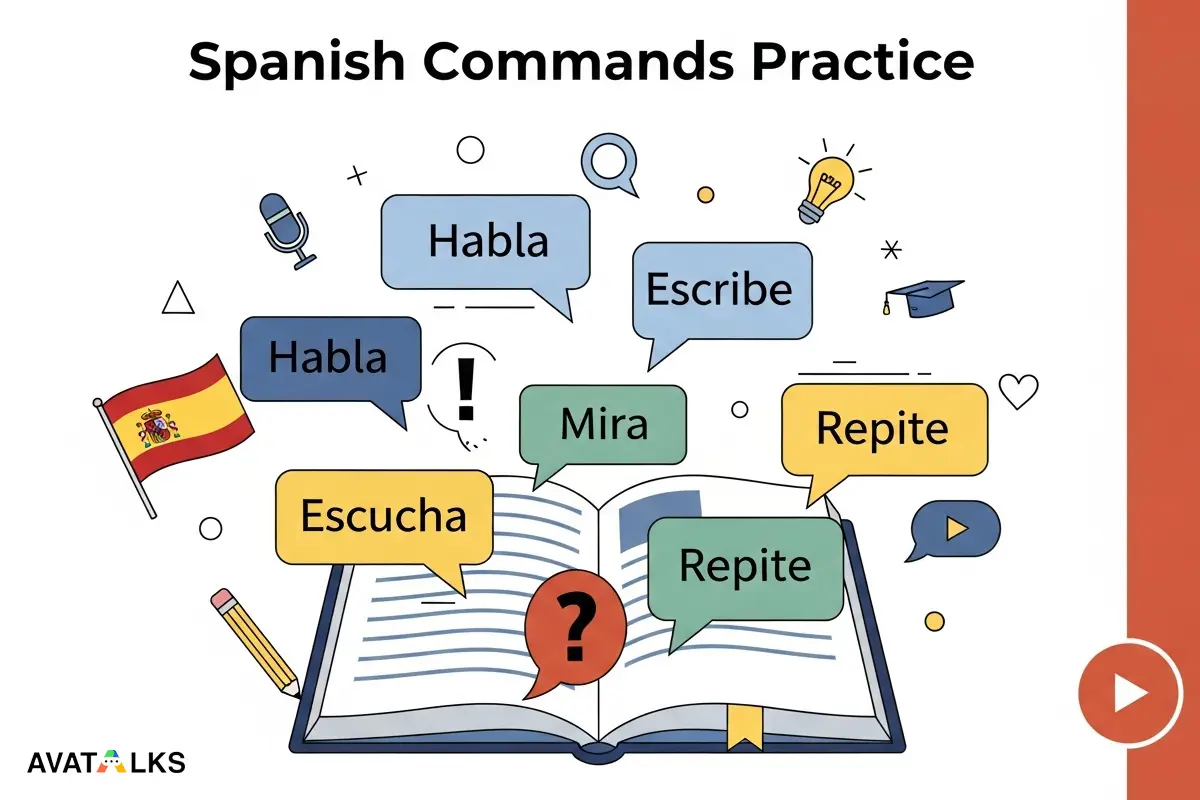
Spanish Commands Practice
Practice common command patterns with real-life examples and more natural spoken usage.
Practice →Suggested study paths
If you are not sure where to begin, here are a few practical routes through the hub.
Path 1: Beginner grammar confidence
Start here if you are early in Spanish and want the highest-return topics first.
- Ser vs Estar
- Gustar
- Gender Rules
- Reflexive Verbs
- Commands
Path 2: Sentence accuracy
Start here if you know basic Spanish already, but your sentences still feel unstable.
- Pronoun Placement
- Direct vs Indirect Object Pronouns
- Adjective Position
- Por vs Para
- Commands
Path 3: Past tense control
Start here if you keep getting lost when talking about past events.
- Preterite vs Imperfect
- Present Perfect vs Preterite
- Subjunctive after that, if you want to move into more advanced sentence control
Why grammar practice works better than only reading rules
Reading explanations can help you understand a topic.
But grammar becomes useful only when you can:
- choose the right form quickly
- avoid the common wrong form
- build the sentence without freezing
- and recognize the pattern in real Spanish later
That is why grammar practice matters so much.
Good grammar practice forces you to:
- compare similar forms
- make decisions
- see repeated examples
- and notice your own weak points
That is very different from just reading a rule and thinking:
- “Yes, that makes sense.”
Recognition is not the same thing as control.
How to turn grammar practice into real Spanish
Grammar practice works best when it does not stay trapped inside exercises.
After finishing a practice topic, do one of these:
Speak
Say 3 to 5 original sentences using the structure.
Write
Write a mini-dialogue or short paragraph with the same grammar pattern.
Listen
Find a short audio or video and try to notice the same grammar in real use.
Repeat
Come back to the same topic two or three days later and test yourself again.
That loop is what makes grammar stick:
practice → output → feedback → reuse
How often should you practice Spanish grammar?
Short, regular practice usually works best.
A good starting point is:
- 10 to 15 minutes a day
- on one topic
- for several days in a row
That is usually much better than:
- one long session
- on too many grammar topics
- once every week or two
Consistency matters more than intensity.
Is grammar practice useful for speaking?
Yes.
In fact, speaking often improves faster when the grammar pattern is already partially trained.
Grammar practice helps speaking because it reduces hesitation.
Instead of trying to invent the grammar from zero every time, your brain starts recognizing:
- “This is a gustar structure”
- “This needs ser, not estar”
- “This pronoun goes before the conjugated verb”
- “This adjective changes meaning if I move it”
That kind of recognition makes speaking smoother.
If your larger goal is fluency, How to Learn Spanish Fast is a good broader companion to this hub.
Common questions about Spanish grammar practice
Should beginners practice grammar?
Yes, but it should be focused and contextual.
Beginners usually do better with:
- one pattern
- clear examples
- short exercises
- and immediate reuse
How long until grammar feels more natural?
Many learners start noticing real improvement after a few weeks of focused practice on the same weak areas.
Do I need to practice every topic?
No. Start with the ones that are actually blocking your speech or writing.
Is this hub for beginners or intermediate learners?
Both. Some topics are beginner-friendly, while others help more once you already have basic Spanish.
Final takeaway
This page is here to make Spanish grammar practice feel more usable and less overwhelming.
You do not need to master everything at once.
You need to:
- choose the right problem
- practice it clearly
- reuse it in real language
- and repeat the cycle
That is how grammar becomes something you can actually use.
Not by reading more rules, but by training the specific patterns that keep slowing you down.
So if you are not sure where to start, pick one topic from this page and work on it for the next few days.
That is enough to begin turning grammar from something you “know about” into something you can actually control.